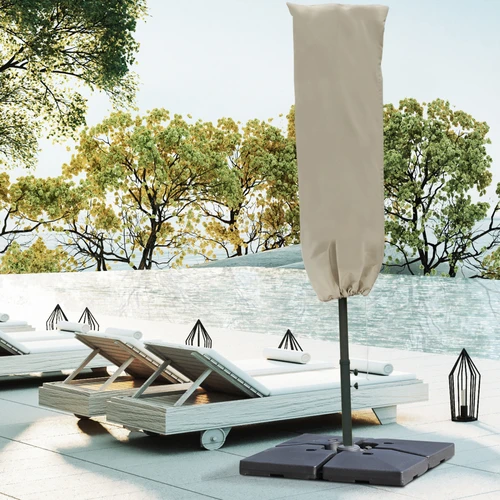
Why Use a Parasol Cover
A parasol takes a lot of weather over a year, and most of the damage happens when it is not even in use. Here is what a cover protects against and what to look for.
Protection from the Elements
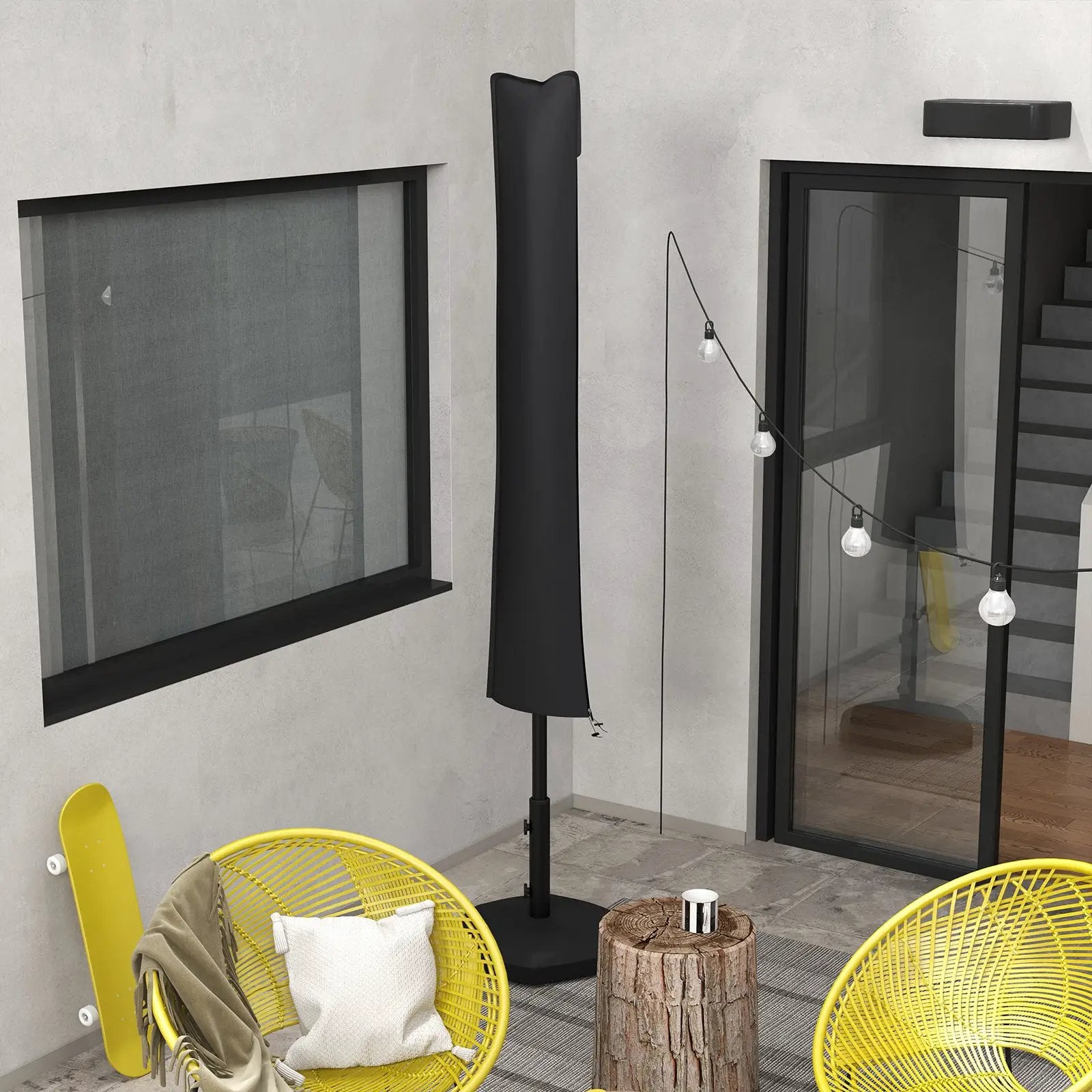
Rain is the obvious one, but it is not the only threat. Sitting damp causes mould and mildew to form on a folded canopy, while constant UV exposure fades the fabric even when the parasol is closed. Wind-blown dust, leaves, and bird mess all build up too. A cover keeps the lot off, so your parasol is clean and ready when you next open it.
Getting the Right Fit
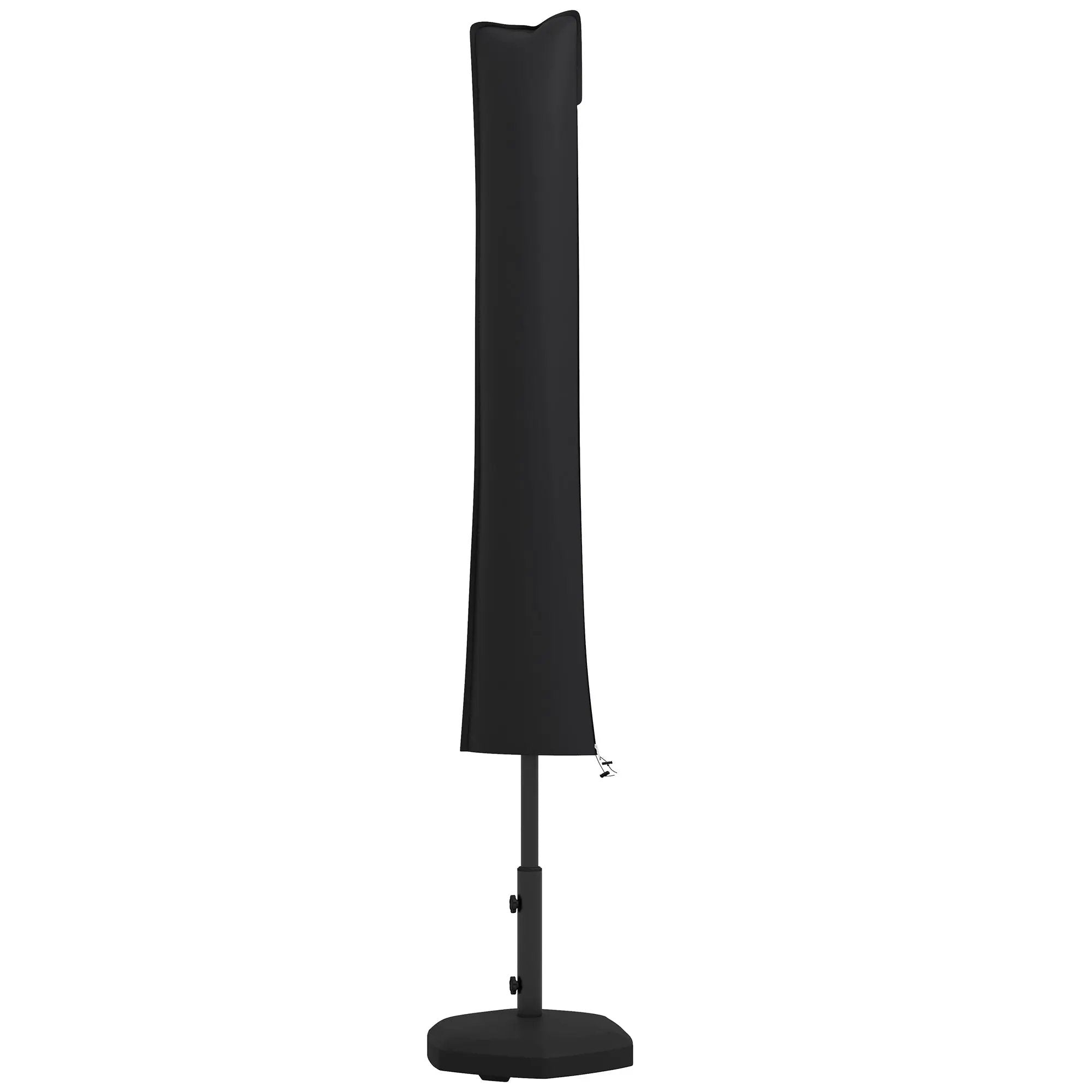
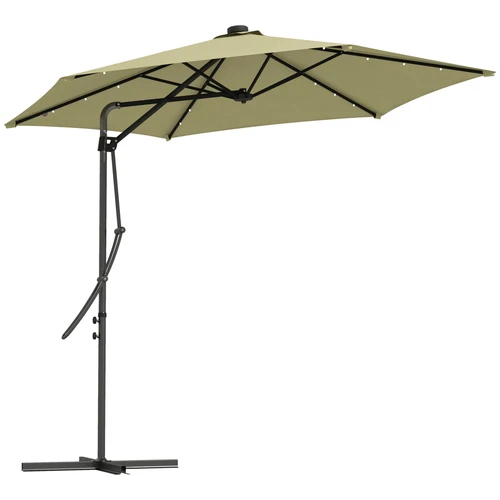
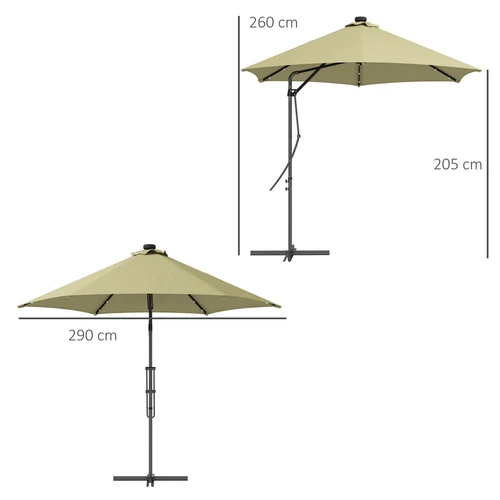
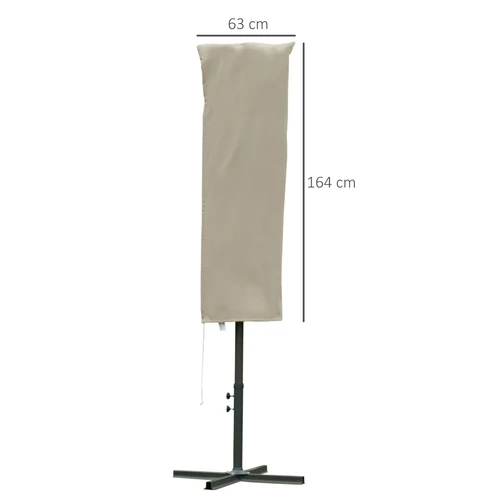
Fit is everything with a parasol cover. Measure the height of your closed parasol from the top of the canopy down, and check the folded width of the ribs. Compare these against the cover dimensions rather than guessing. Too small and it will not go on, too large and wind can work it loose. Cantilever parasols are often taller and wider when closed, so they usually need a larger cover than a standard centre-pole model.
Ease of Use
A side zip makes a real difference, letting you fit and remove the cover without lifting it over the top of a tall parasol. Some covers include a guiding rod to help you drop the cover over the canopy from ground level, which saves getting a ladder out. A drawstring at the base keeps the cover secure once it is on.
Year-Round and Winter Storage
A cover is useful all season for overnight and between-use protection, but it really earns its keep over winter. Where possible, store your parasol closed and covered, and ideally bring it indoors or into a shed for the coldest months. If it has to stay outside, a snug cover is the next best thing for keeping it in good condition until spring.
Need to protect more than your parasol? Browse our full range of garden furniture covers, or take a look at parasol bases and garden parasols to complete your outdoor setup.