- All categories
- Accent Chair
- Armchair
- Bar Stool
- Bathroom Lights
- Bed Frames
- Bedside Table
- Bench
- Bistro Sets
- Bookcase
- Ceiling Lights
- Chest of Drawers
- Clock
- Coffee Table
- Console Table
- Cover
- Cushions
- Desk
- Dining Chairs
- Dining Set
- Dining Table
- Display Cabinet
- Double Bed
- Fabric Dining Chairs
- Filing Cabinet
- Folding Chairs
- Footstool
- Garden Chairs
- Garden Set
- Garden Shed
- Garden Sofa Sets
- Garden Storage
- Garden Table
- Gazebos
- Greenhouse
- Hammocks
- King Size
- Lamp
- Leather Chairs
- Mirror
- Nest of Tables
- Office Chair
- Office Storage
- Parasol
- Pendant Lights
- Photo Frame
- Picnic Tables
- Planters
- Radiator
- Raised Beds
- Recliner
- Rug
- Shoe Storage
- Sideboard
- Single Bed
- Sofa
- Sofa Bed
- Spotlight
- Storage Box
- Sun Lounger
- Super King Size
- Throws
- TV Unit
- Wall Art
- Wall Lights
- Wardrobe
- Whiteboard
- Wine Rack
- Wooden Chairs
- All categories
- Accent Chair
- Armchair
- Bar Stool
- Bathroom Lights
- Bed Frames
- Bedside Table
- Bench
- Bistro Sets
- Bookcase
- Ceiling Lights
- Chest of Drawers
- Clock
- Coffee Table
- Console Table
- Cover
- Cushions
- Desk
- Dining Chairs
- Dining Set
- Dining Table
- Display Cabinet
- Double Bed
- Fabric Dining Chairs
- Filing Cabinet
- Folding Chairs
- Footstool
- Garden Chairs
- Garden Set
- Garden Shed
- Garden Sofa Sets
- Garden Storage
- Garden Table
- Gazebos
- Greenhouse
- Hammocks
- King Size
- Lamp
- Leather Chairs
- Mirror
- Nest of Tables
- Office Chair
- Office Storage
- Parasol
- Pendant Lights
- Photo Frame
- Picnic Tables
- Planters
- Radiator
- Raised Beds
- Recliner
- Rug
- Shoe Storage
- Sideboard
- Single Bed
- Sofa
- Sofa Bed
- Spotlight
- Storage Box
- Sun Lounger
- Super King Size
- Throws
- TV Unit
- Wall Art
- Wall Lights
- Wardrobe
- Whiteboard
- Wine Rack
- Wooden Chairs
Main menu
-
Dining
-
Living
-
Bedroom
-
Sofas & Chairs
-
Home Office
-
Garden
-
Lighting
-
Home Furnishings
-
About
Your cart
UK Home & Garden Furniture Store
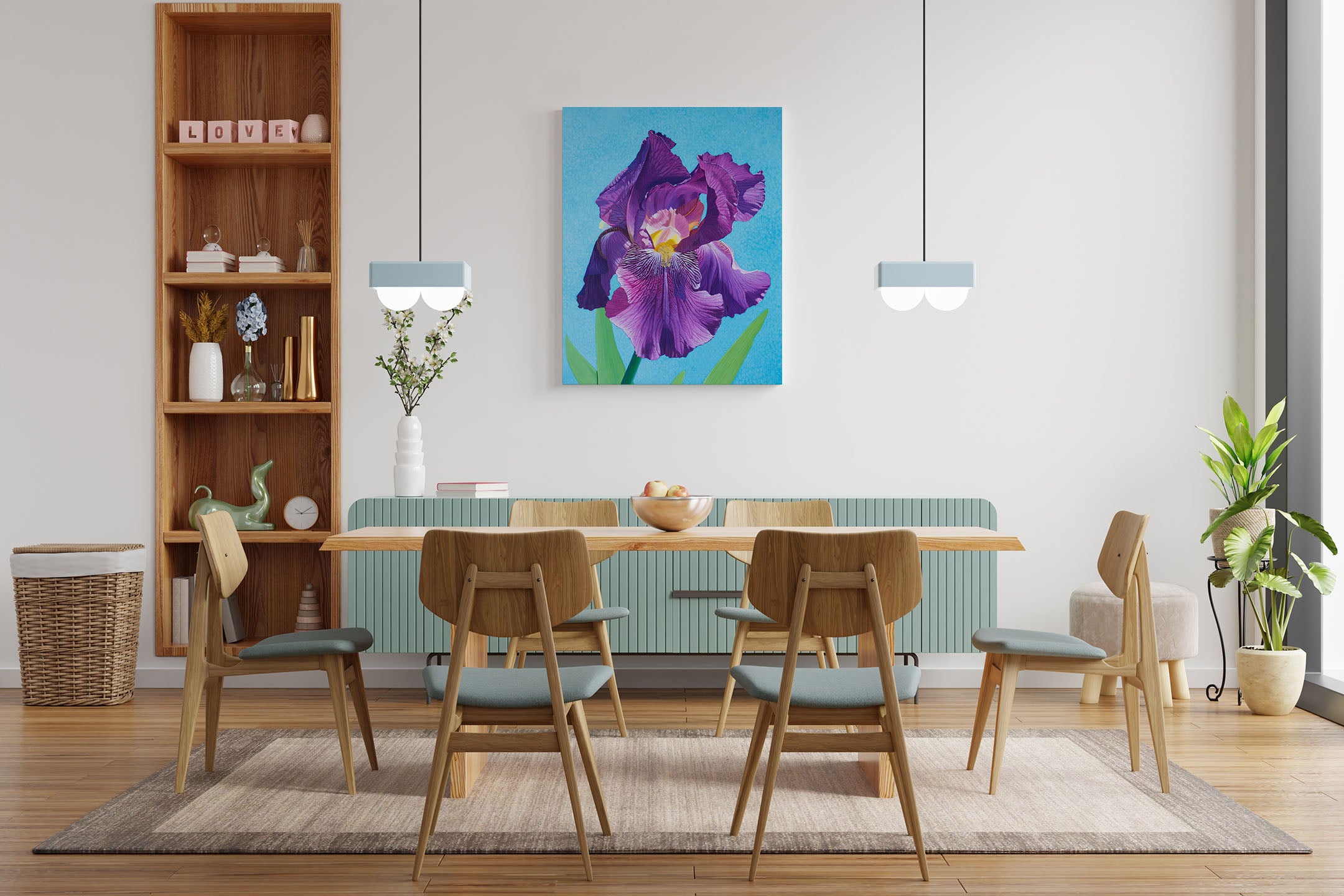
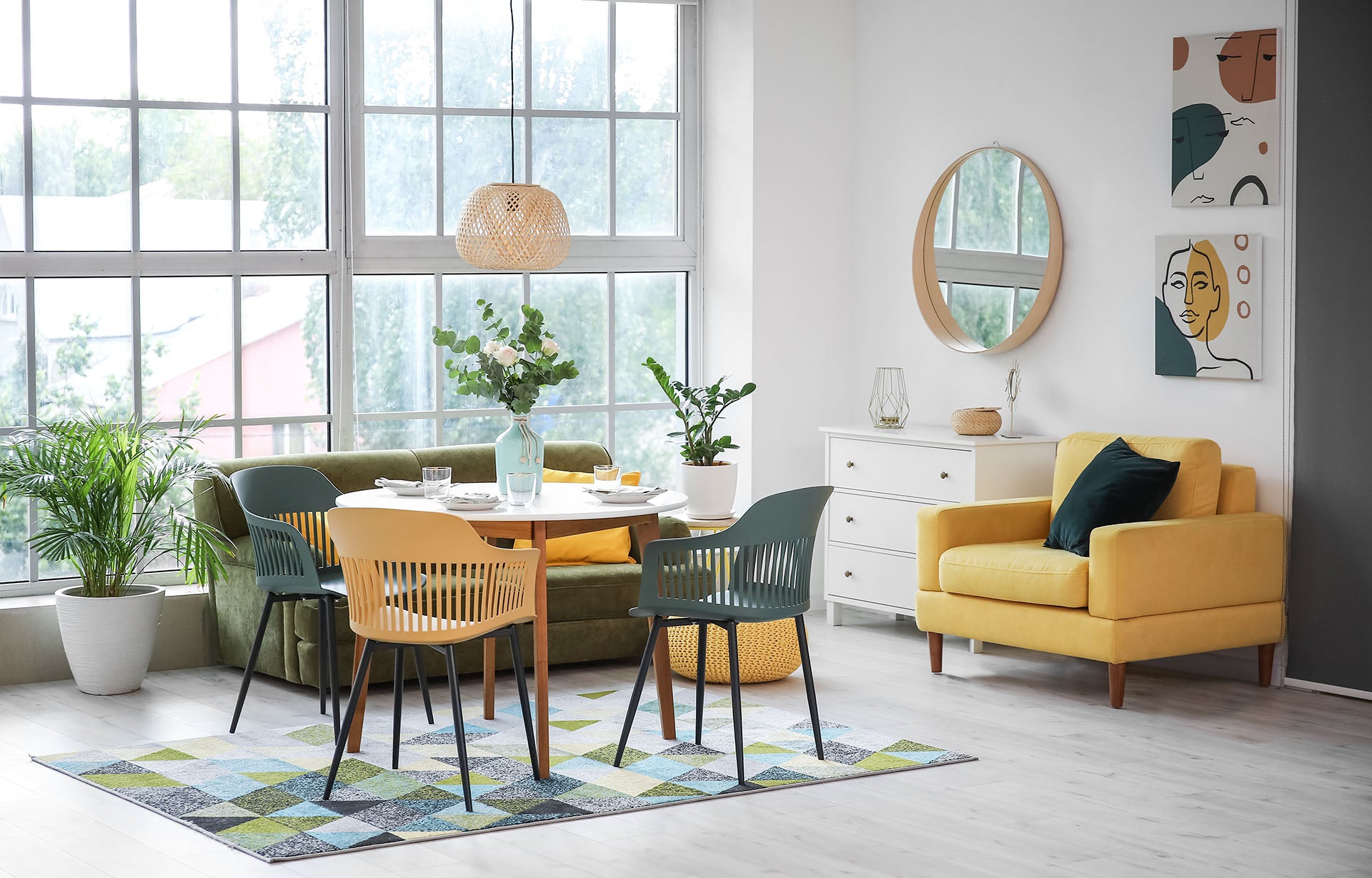
Reimagine your dining room
Beautiful dining room furniture for every taste
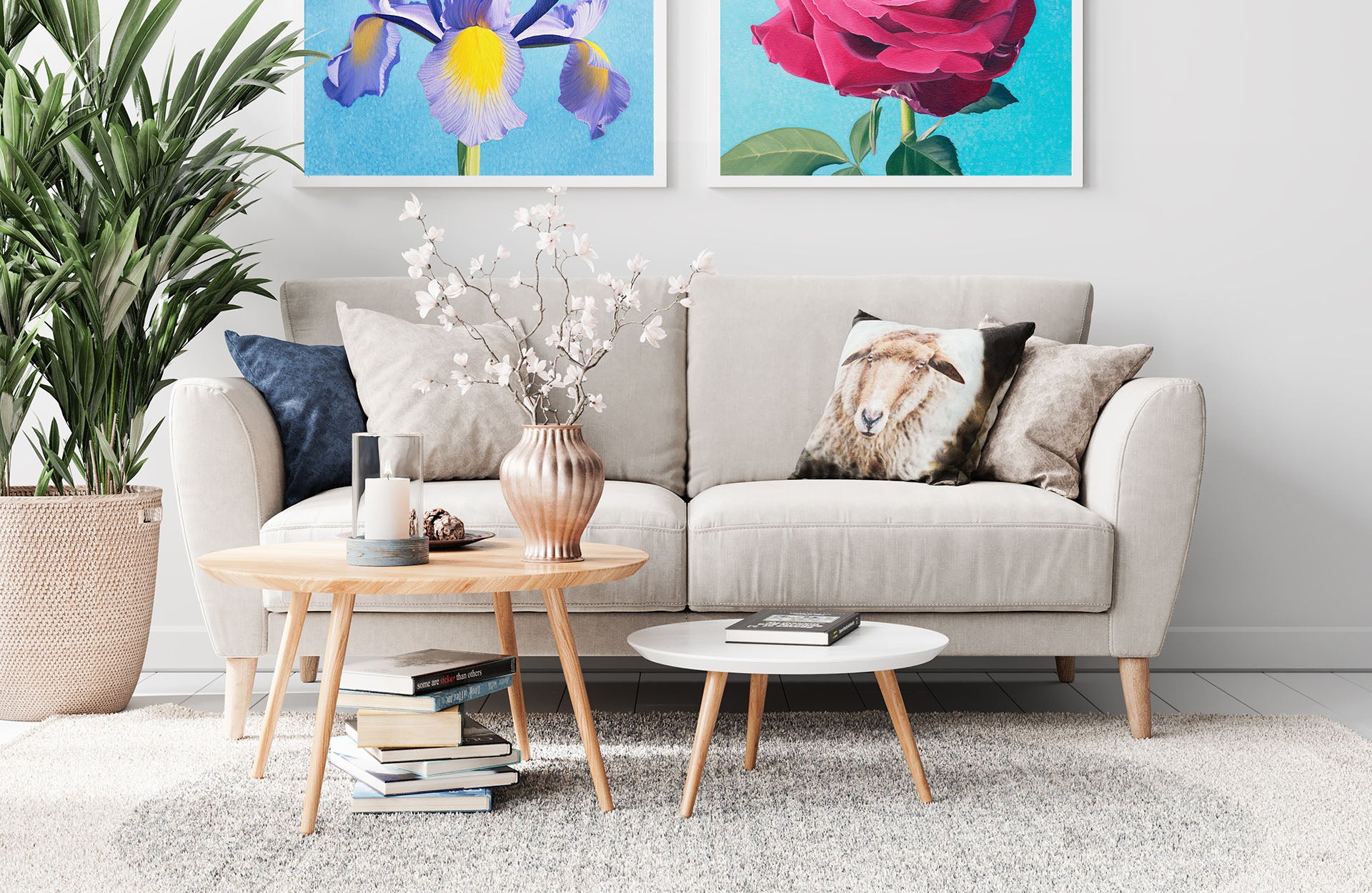
Refresh your living room
The perfect blend of comfort, style and functionality for your living room
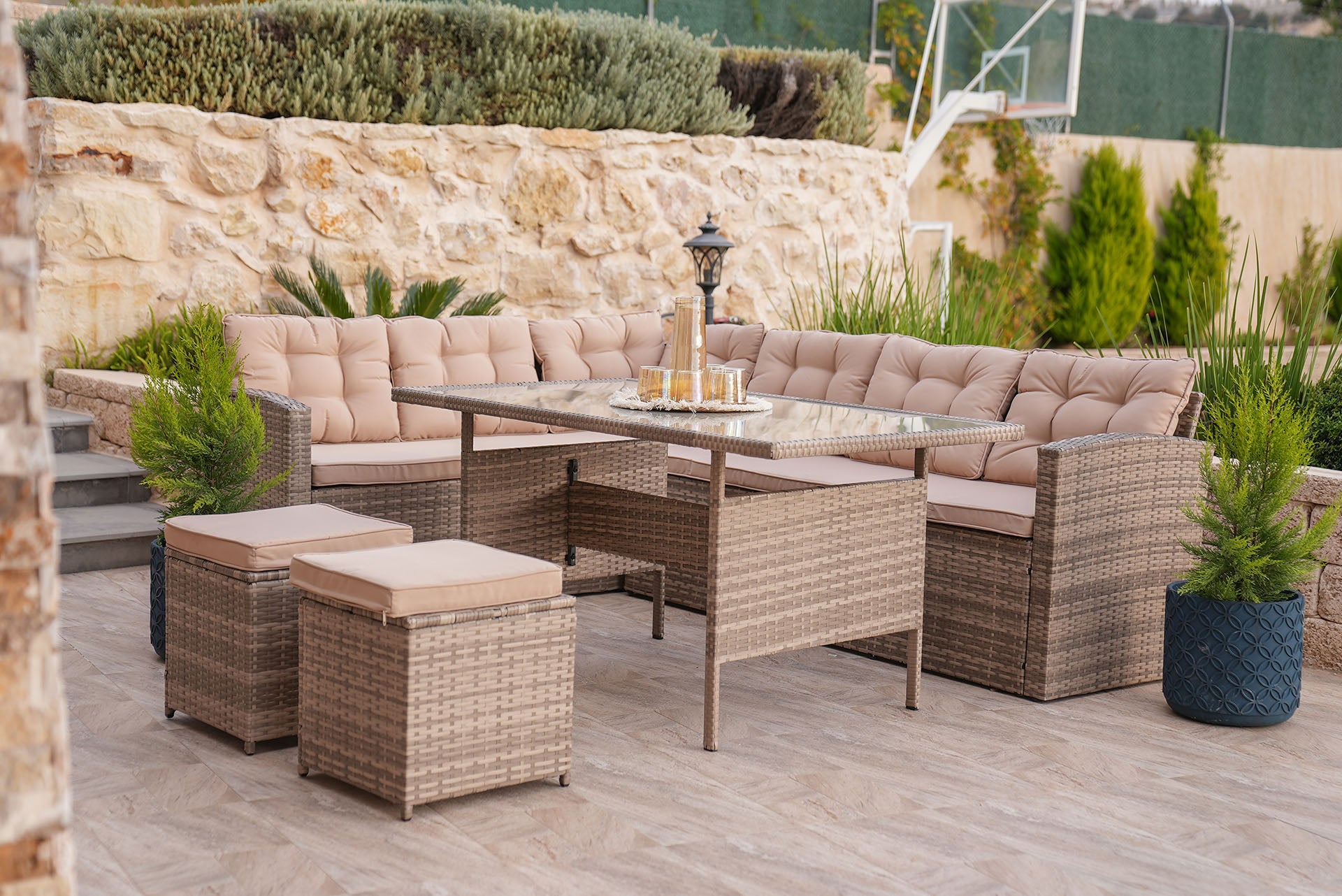
Enjoy each season in the garden
Explore our latest ranges today
Reimagine your dining room
01Refresh your living room
02Enjoy each season in the garden
03Quality Furniture
Unique Collections
Delivered Free
Quality Furniture
Unique Collections
Delivered Free
Quality Furniture
Unique Collections
Delivered Free
Quality Furniture
Unique Collections
Delivered Free
Quality Furniture
Unique Collections
Delivered Free
Quality Furniture
Unique Collections
Delivered Free
Quality Furniture
Unique Collections
Delivered Free
Quality Furniture
Unique Collections
Delivered Free
Quality Furniture
Unique Collections
Delivered Free
Quality Furniture
Unique Collections
Delivered Free
Quality Furniture
Unique Collections
Delivered Free
Quality Furniture
Unique Collections
Delivered Free
Quality Furniture
Unique Collections
Delivered Free
Quality Furniture
Unique Collections
Delivered Free
Quality Furniture
Unique Collections
Delivered Free
Quality Furniture
Unique Collections
Delivered Free
Quality Furniture
Unique Collections
Delivered Free
Quality Furniture
Unique Collections
Delivered Free
Quality Furniture
Unique Collections
Delivered Free
Quality Furniture
Unique Collections
Delivered Free
Quality Furniture
Unique Collections
Delivered Free
Quality Furniture
Unique Collections
Delivered Free
Quality Furniture
Unique Collections
Delivered Free
Quality Furniture
Unique Collections
Delivered Free
Quality Furniture
Unique Collections
Delivered Free
Quality Furniture
Unique Collections
Delivered Free
Quality Furniture
Unique Collections
Delivered Free
Quality Furniture
Unique Collections
Delivered Free
Quality Furniture
Unique Collections
Delivered Free
Quality Furniture
Unique Collections
Delivered Free
Quality Furniture
Unique Collections
Delivered Free
Quality Furniture
Unique Collections
Delivered Free
Quality Furniture
Unique Collections
Delivered Free
Quality Furniture
Unique Collections
Delivered Free
Quality Furniture
Unique Collections
Delivered Free
Quality Furniture
Unique Collections
Delivered Free
Quality Furniture
Unique Collections
Delivered Free
Quality Furniture
Unique Collections
Delivered Free
Quality Furniture
Unique Collections
Delivered Free
Quality Furniture
Unique Collections
Delivered Free
Furniture for all your needs
Trending Products
From £418.69
Receives in 5 days.
£293.71
Receives in 5 days.
£37.47
Receives in 5 days.
£52.59
Receives in 5 days.
£59.66
Receives in 5 days.
From £30.42
Receives in 5 days.
Receives in 5 days.
£475.15
Receives in 5 days.
£50.59
Receives in 5 days.
£137.46
Receives in 5 days.
£86.46
Receives in 5 days.
£111.97
Receives in 5 days.
£60.66
Receives in 5 days.
From £42.51
Receives in 5 days.
From £60.66
Receives in 5 days.
£115.00
Receives in 5 days.
£101.58
Receives in 5 days.
From £97.55
Receives in 5 days.
Home Office
Desks and chairs for focused work.
Sofas
Sofas and tables for cosy living.
Dining Room
Tables and chairs for every meal.
Editors Pick This Season
£118.02
Receives in 5 days.
£100.80
Receives in 5 days.
£71.34
Receives in 5 days.
£42.51
Receives in 5 days.
£40.50
Receives in 5 days.
Receives in 5 days.
Receives in 5 days.
£71.34
Receives in 5 days.
£77.39
Receives in 5 days.
Where Every Room Tells a Story
Discover style and comfort for every room in your home without compromise
Our Customer Reviews
Explore Our Collections
-
1.Transform Your Home
Shop Garden FurnitureGet your garden ready for warmer days with outdoor furniture made for comfort and durability.
Perfect for relaxing, dining, and enjoying the fresh air. -
2. Your home, your style
Living Room FurnitureMake your home shine. Discover choice, great quality, and value.
-
3. Modern Living
Living Room FurnitureCollection of stylish sofas and armchairs
Latest Articles
Ergonomic Chair vs Regular Chair: What's the Difference?
If you spend a good chunk of your day sitting at a desk whether you're working from home or in an office the chair you're sitting on matters far more than most people realise. Back pain, poor posture, fatigue, and that nagging ache in your neck by mid-afternoon? Chances are, your chair is at least partly to blame. The debate between ergonomic chairs and regular chairs comes up a lot, especially as more people invest in their home office setups. But what actually separates the two? And is an ergonomic chair genuinely worth the extra cost? Let's break it down properly. What Is a Regular Chair? A regular office chair typically has a fixed seat height, a padded seat, and a backrest that offers little support. Most chairs do not have any support, and the ones that do tend to offer it in a fixed position that may or may not suit your back. Meaning long days at your desk can lead to back pains over time or discomfort. Regular chairs are designed to be affordable and functional in a basic sense. Sit down, do your work, get up again. For the occasional hour of use, they're perfectly fine. The trouble starts when you're spending six, eight, or ten hours a day in one. What Is an Ergonomic Chair? An ergonomic chair is designed with human anatomy in mind. The word "ergonomic" itself comes from the Greek words for work and natural laws essentially, it's about designing things to fit the way your body actually works, rather than making your body adapt to the object. A proper ergonomic chair gives you control. You can adjust the seat height, the depth of the seat, the angle of the backrest, the lumbar support position, the armrest height and width, and often the headrest too. Higher-end models from ranges like executive chairs even allow you to adjust the tension of the recline, so leaning back feels supported rather than floppy.The goal is to put your body in a neutral posture hips level with or slightly above your knees, feet flat on the floor, lower back supported, shoulders relaxed, and eyes level with your screen. It sounds simple, but a regular chair makes this surprisingly difficult to achieve consistently. Key Differences Between Ergonomic and Regular Chairs Lumbar Support This is probably the biggest practical difference. The lumbar region is the lower curve of your spine, and when you're sitting for hours, it's the area most likely to suffer. Regular chairs either lack lumbar support entirely or have a fixed pad that sits in a single spot regardless of your height or posture. Ergonomic chairs offer adjustable lumbar support you can move it up or down to sit in exactly the right place for your back. Some chairs even have dynamic lumbar support that responds to your movements throughout the day. This alone can make a significant difference to lower back discomfort over time. Adjustability A regular chair might let you change the seat height. That's often where the customisation ends. An ergonomic chair is a different experience altogether. Depending on the model, you might be adjusting the seat pan depth (so shorter or longer legs are equally well supported), the angle of the seat, the width and height of the armrests, and the tilt tension of the backrest. A well-designed ergonomic office chair essentially moulds itself around you rather than expecting you to mould yourself around it. Build Quality and Materials Standard chairs are typically built to a price point. The foam compresses quickly, the plastic wears down, and within a year or two many people find themselves essentially sitting on a frame with a thin layer of padding. Ergonomic chairs tend to use higher quality materials breathable mesh backs that reduce heat build-up, durable foam or cushioning that holds its shape, and stronger frames that last considerably longer. It's worth thinking about cost-per-use here. A budget chair that needs replacing every couple of years may end up costing more in the long run than a quality ergonomic chair that lasts a decade. Posture and Health Implications Prolonged sitting in a poorly designed chair is linked to a range of health issues not just back pain, but also poor circulation, tension headaches, and even fatigue caused by your muscles working harder to hold an unsupported position. Over months and years, poor posture can become habitual, leading to issues that go beyond the office. Ergonomic chairs encourage a more natural seated posture. When your body is properly aligned, your muscles aren't constantly fighting against the chair, meaning you'll likely feel less tired at the end of the day and experience fewer aches. Aesthetics and Professional Look It's worth acknowledging that ergonomic chairs have come a long way aesthetically. There was a time when "ergonomic" meant a chunky, clinical-looking contraption that clashed with any home interior. That's no longer the case. Many executive and ergonomic ranges now look genuinely sleek and would suit any professional setup, whether that's a home office or a corporate environment. So, Which Should You Choose? If you're sitting for short periods or on a tight budget and don't have any existing back or posture concerns, a decent regular chair might serve you well enough in the short term.But if you're working from home full-time, spending long hours at your desk, or you've already started to notice back pain or discomfort, an ergonomic chair is a genuine investment in your health and productivity. The difference between sitting comfortably and spending your afternoon shifting around trying to get comfortable isn't trivial it affects your focus, your energy levels, and your long-term wellbeing. The right ergonomic chair is one that fits you specifically. That is the main point it adjusts to you, not the other way around.
Leather Dining Chairs: Why They've Never Gone Out of Style
Trends in home furnishing move fast. What's all over Pinterest one year gets charity-shopped the next. Leather dining chairs, though? They just don't follow that pattern. Walk into a well-put-together dining room whether it's a Victorian terrace or a new-build and there's a decent chance you'll find leather seating at the table. There's a reason people keep coming back to it, and it's not nostalgia. The Look Holds Up Regardless of What Else Is in the Room It works with almost everything This is the thing people underestimate about leather its versatility. A set of black leather chairs looks sharp around a glass dining table in a modern flat. Those same chairs would also hold their own next to a chunky reclaimed oak table in a farmhouse kitchen. It's a material that doesn't box you in. You're not committing to a single aesthetic the way you might with, say, a brightly upholstered fabric chair. The texture does a lot of the heavy lifting There's something about the grain and depth of leather even quality faux leather that reads as considered. It adds warmth without being fussy. A quilted PU leather chair in grey, for instance, brings a kind of relaxed sophistication that plain fabric struggles to match at the same price point. It's not about showing off; it's just that the material has a natural richness to it. They're Genuinely Easier to Live With Than Most People Expect The cleaning situation is genuinely simple Ask anyone who's had fabric dining chairs through a few years of family mealtimes. The coffee rings. The pasta sauce. The mystery stains that appear from nowhere. Fabric absorbs all of it, and getting it out is a project. Leather and decent PU leather doesn't. A wipe with a slightly damp cloth handles the vast majority of everyday spills. That's it. Twice-yearly conditioning if you want to keep things supple. It's not demanding. They last and they change in a good way Real leather, properly looked after, doesn't just survive years of use it improves. The patina that develops over time gives the material a depth you simply can't buy new. Faux leather doesn't do quite the same thing, but quality versions hold their shape and finish far better than budget fabric alternatives, which tend to pill and sag within a few years. Either way, you're generally getting more longevity per pound spent than with most other upholstery options. Comfort Across a Long Dinner More Than You'd Think The 'leather gets uncomfortable' myth People worry about this. In practice, leather adapts to body temperature quickly enough that the initial chill or warmth isn't a real issue beyond the first few minutes. What leather doesn't do is trap heat the way cheaper vinyl or plastic seats do. After two hours at the table, you're not peeling yourself off a sticky surface. That matters more than it sounds when you're hosting and the conversation is still going at 11pm. Modern designs have caught up with how we actually eat Today's leather dining chairs aren't the stiff, formal things they once were. Padded seats, supportive high backs, ergonomic shapes the range has expanded considerably. Whether you want something armless to tuck neatly under a table, or a chair with more structure for longer sit-down meals, there are options that genuinely prioritise how comfortable it is to spend time in them. The dining room isn't just for Christmas dinner any more, and the chairs have caught up. Picking the Right One: A Few Things Worth Thinking About Colour matters more than people realise Black is popular for a reason it hides marks better than anything, and it suits a wide range of table finishes. Brown and tan bring warmth; they're particularly good with wood-heavy dining rooms that risk feeling cold. Grey has become something of a go-to neutral over the last few years, and it earns that status because it pairs so well with almost any wall colour. Smaller rooms often benefit from lighter shades, which stop the chairs from dominating the space visually. Real leather vs PU: an honest take Genuine leather ages beautifully, breathes better, and can be repaired rather than replaced. It's also more expensive upfront. Good-quality PU leather has closed the gap significantly it's easier to clean, more resistant to scratches at the surface level, and comes at a lower price. For households with young kids or dogs, the pragmatic answer is often PU. For someone buying a set they want to keep for twenty years? Real leather is worth the extra investment. Neither is a wrong answer; it just depends on what you're optimising for. Leather dining chairs have stayed relevant because they earn it not because of clever marketing or cycling back into fashion. They're practical, they hold up, and they look good doing it. If you're thinking about upgrading your dining room seating, browse the collection at Home Symphony there's a range of styles and price points to suit most spaces.
What Makes Folding Garden Chairs Great for Modern Gardens
Garden furniture used to be simple. You bought a table, some chairs, left them outside, and replaced them every few years when they fell apart. That approach doesn't really work anymore not when outdoor spaces cost what they do, and certainly not when British weather can shift from sunshine to torrential rain in twenty minutes. Folding garden chairs have changed substantially. They're no longer the flimsy afterthought you grudgingly bring out when extra guests arrive. The better ones now compete directly with permanent furniture, except they disappear when you don't need them. Gardens Work Harder Now Most outdoor spaces earn their keep through multiple roles. A patio might host breakfast, serve as an afternoon workspace, then transform into an evening dining area all in one day. Smaller urban gardens and balconies juggle even more functions because there's simply no room for dedicated zones. Fixed furniture doesn't adapt well to this pattern. Heavy benches and permanent seating arrangements stay put regardless of whether they're needed or actively in the way. When space is tight, inflexibility becomes expensive. The UK weather compounds the problem. Leaving furniture exposed year-round guarantees deterioration. Cushions go mouldy. Wood warps and splits. Metal corrodes despite promises of weather resistance. Even "all-weather" pieces look shabby after a few seasons of constant exposure to rain, frost, and UV rays. Being able to store chairs when they're not needed or when weather turns nasty extends their life considerably. It's not complicated furniture that spends autumn and winter under cover lasts longer than furniture that doesn't. Storage Actually Matters Space constraints drive many households toward folding furniture, but the storage benefit goes beyond just fitting into small gardens. Even large properties gain advantages from chairs that collapse into manageable sizes. Eight fold away garden chairs might stack into a cupboard roughly the size of a small bookshelf. Eight permanent chairs occupy eight permanent chair-sized spaces. The mathematics favour folding furniture quite heavily, particularly when those eight chairs only see regular use between May and September. Sheds, garages, and spare cupboards all become viable storage locations. This matters because keeping garden furniture protected during harsh months preserves both appearance and function. There's also simple convenience chairs that fold flat are easier to move, transport, and reconfigure as needed. The portability factor shouldn't be dismissed. Lightweight folding chairs travel to family gatherings, accompany camping trips, or supplement seating for parties at other locations. Fixed furniture obviously can't do this. Better Materials Changed Everything The quality jump in folding garden chairs traces directly to material improvements. Older designs relied on whatever could be both cheap and lightweight usually basic plastic or untreated wood. Neither aged well. Synthetic rattan solved several problems simultaneously. It looks like natural wicker, weathers better than almost anything else, and provides reasonable comfort without cushions. Quality rattan folding chairs can sit outside for months and still look presentable. They don't rot, split, or fade the way natural materials do. Aluminium frames with powder-coat finishes deliver strength without weight. Modern powder-coating resists corrosion effectively, so frames stay intact despite moisture exposure. The metal can be shaped into slim, elegant profiles that wouldn't be possible with heavier materials. Ideal for garden chairs that you can easily move around and fold away for when not in use. Treated hardwoods like acacia offer another option. They bring natural grain and warmth that synthetic materials can't quite match. Properly sealed hardwood handles British weather reasonably well, though it needs more attention than rattan or aluminium. The trade-off is character good wooden furniture develops attractive patinas over time. Technical fabrics used in some designs have improved too. Modern outdoor textiles resist UV damage, dry quickly, and maintain their shape through repeated use. Some incorporate mesh that keeps you cool during warm weather whilst remaining durable enough for regular service. Design No Longer Gets Compromised Folding mechanisms used to dictate ugly furniture. Designers worked around the engineering constraints rather than integrating them elegantly. That's changed. Contemporary folding garden chairs span genuine style ranges. Clean minimalist designs sit alongside traditional forms and everything between. Proportions have been refined so chairs look intentional when set up rather than like temporary solutions. Folding mechanisms integrate more subtly, and many pieces rival fixed furniture visually. Comfort has improved for folding garden chairs alongside aesthetics. Better designs incorporate proper seat depths that can support legs correctly, back angles that don't force poor posture, armrests positioned sensibly. You will find these little details matter during long dinners or extended afternoon reading sessions. Colour options have expanded beyond black, white, and brown. Soft greys, warm taupes, sage greens, and terracotta tones allow coordination with garden schemes. Finishes range from matte to subtle metallic sheens depending on the look you're after. The folding mechanisms themselves work better. Smooth operation, sensible locking systems, and designs that don't pinch fingers characterise decent examples. Some fold with one hand, which proves surprisingly useful when you're managing multiple chairs or carrying other items. Maintenance Stays Minimal Quality folding chairs need remarkably little attention. Most require occasional wiping with soapy water and nothing more. There's no varnishing, no cushion wrestling, no constant battle against mildew. The storage capability contributes significantly here. Furniture that spends winter tucked away isn't constantly fighting the elements. UV damage, moisture penetration, and freeze-thaw cycles the main culprits in outdoor furniture deterioration happen less when pieces aren't perpetually exposed. This protection translates into longer product life. Chairs that might survive five years of constant outdoor exposure can easily last ten or more with seasonal storage. The replacement cost savings become obvious over time. Choosing Sensibly The folding garden chair market now offers enough variety that most people can find something suitable without major compromises. The trick is matching chair characteristics to actual requirements rather than just grabbing whatever's cheapest. Compact spaces benefit from lightweight aluminium or rattan designs that fold very flat. Larger gardens with proper storage might prioritise comfort and appearance over maximum compactness. Usage frequency matters too furniture that gets retrieved weekly needs streamlined folding mechanisms and minimal weight. Quality varies considerably. Budget options still exist, but premium folding chairs now compete directly with high-end fixed furniture on both looks and comfort whilst maintaining practical advantages. The category has matured enough that folding doesn't automatically mean compromise. Worth Serious Consideration Modern folding garden chairs challenge the idea that permanent furniture is better. For spaces serving multiple purposes, households with a wide range of guest numbers, or anyone dealing with limited storage, well-chosen fold away garden chairs deliver a great range of measurable benefits. They protect investment through reduced weather exposure, optimise space usage, and provide genuine flexibility all whilst meeting contemporary standards for comfort and appearance. The market has developed to the point where choosing folding furniture isn't settling for second best. It's often just better suited to how people actually use outdoor spaces.
Why a TV Unit Is an Essential for Modern Living Rooms
Your living room is where you spend most of your time at home. Watching telly after work, hosting friends at the weekend, lazy Sunday mornings with a cup of tea. But there's one piece of furniture that often gets forgotten about when people are planning their living room the TV unit. Here's the thing: a decent TV unit isn't just a place to stick your telly. It's what holds your whole living room together. Without one, you end up with cables everywhere, remote controls vanishing into the sofa cushions, and that general sense that your room never looks quite right. Why Storage Matters More Than You Think Take a look around your living room right now. I bet there's at least one remote down the side of the sofa, some game controllers balanced precariously somewhere, maybe a few DVDs stacked up. And don't even get me started on the cables. A good TV unit sorts all of this out. You get drawers where you can actually keep your remotes instead of losing them every five minutes. There are shelves that fit your Sky box or PlayStation properly. And the best bit? Most modern units have these little holes cut out at the back where all your cables go through. No more wire spaghetti. It sounds like a small thing, but you stop spending ten minutes hunting for the remote every time you want to change channel. What About Small Living Rooms? Not everyone's got a massive living room to work with. If you're in a flat or a smaller house, every bit of floor space counts. This is where corner TV cabinets for small spaces become proper lifesavers. Think about that awkward corner in your living room. You know the one. It's not quite big enough for a sofa, too visible to just ignore. A corner TV unit fits there perfectly. You get everything you need storage, somewhere sturdy for your telly but it tucks into the corner instead of eating up the middle of your room. The clever bit is how these units work vertically. Instead of spreading out across your floor, they go upwards. Your room feels bigger, even though you've actually added furniture to it. Going Big with a Full Wall TV Unit Now, if you've got the space and fancy making a bit of a statement, a full wall TV unit is absolutely brilliant. These things run along your entire wall and completely change how your living room looks. The best thing about a full wall unit is that your telly stops being this random black rectangle stuck on a stand. It becomes part of the whole setup. You can have shelves either side where you put your books, maybe some photos. Then there are usually cupboards underneath where all the ugly stuff goes. Storage-wise, you've got loads of room. Your entire DVD collection, all your gaming stuff, sound system, the lot. Everything has its own spot. Not All TV Units Are Created Equal Here's something nobody tells you until you've already made the mistake: cheap TV units are a false economy. You see two units that look basically the same, one's £100 cheaper, seems like a no-brainer. Fast forward three months and the cheaper one is wobbling. The problem is what they're made from. A quality TV unit uses proper solid wood or decent engineered materials that can actually handle having a 50-inch telly sitting on it. Cheap units use thin boards that flex and sag. When you're looking at TV units, open the drawers if you can. Do they slide smoothly? Does the whole thing feel solid? A decent TV unit should still be going strong five, ten years down the line. Getting It Right for Your Space The thing about TV units is they do more heavy lifting than you'd think. Yeah, they hold your telly up and give you somewhere to put your stuff. But they also set the whole tone for your living room. Pick the right one and everything just clicks into place. So it's worth taking a bit of time over it. Think about your actual room how big is it really? Have you got an awkward corner that needs using? Or have you got a whole wall you could turn into something special with a full wall unit? What about all your stuff where's it all going to go? And don't just go for whatever's cheapest. You want something that's actually going to last, not something that'll be falling apart in six months. Your living room should work for you. The right TV unit sorts out the storage, tidies up all those cables, and makes the room look properly put together. It's one of those purchases where you notice the difference every single day.
Choosing an Electric Recliner Chair for Elderly People
Getting up from a chair should not be a daily battle. For many older people though, it is. Your knees hurt, your back aches, and pushing yourself up from a sitting position feels like climbing a mountain. This is where an electric recliner chair comes in. Unlike regular chairs where you need to push yourself up, an electric recliner chair does the work for you. IIf you are considering getting an electric recliner chair for a family member or yourself, there are a few points worth knowing before you buy. Here are four key points that will help you make the right choice. How Much Lift Support Do You Actually Need? Not all electric recliner chairs lift the same way. Some tilt forward just a bit, whilst others can raise you almost to a standing position. The amount of lift you need depends on mobility levels. If someone is recovering from hip surgery or has quite weak knees, they will want a chair that does most of the lifting work. Look for one that tilts forward enough to get them almost upright before they need to put weight on their legs. This makes standing much safer and takes pressure off joints. On the other hand, if mobility is only slightly reduced, a chair with less lift might be fine. The key is to think about what happens on a bad day, not just a good one. You want a chair that provides enough support even when joints are particularly stiff or painful. Many electric recliner chairs for elderly users can lift up to around 45 degrees. That might not sound like much, but it makes a huge difference. The person ends up in a semi-standing position before they even start to push up, which is far easier on the body. The Remote Control Needs to Be Simple The remote control might seem like a small detail, but it matters more than you would think. Some remotes have tiny buttons with complicated symbols. Others have large, clearly marked buttons that are easy to press even if your hands are not as steady as they used to be. When choosing an electric fabric recliner chair, check what the remote looks like. Can you read the labels easily? Are the buttons big enough to press without fumbling? Will it make sense to someone who is not particularly tech-savvy? A good remote should have separate buttons for the backrest and footrest, so you can adjust each independently. Some also have a dedicated lift button. The buttons should have a bit of resistance so you do not accidentally press them, but not so much that they are hard to push. Another thing to consider is where the remote sits when not in use. Many chairs have pockets on the side where you can tuck it away. This keeps it within reach but stops it from ending up down the back of the cushions or on the floor. Fabric Choice Makes a Real Difference An electric fabric recliner chair can come in different materials. Some are covered in soft, breathable fabric whilst others use synthetic materials that are easier to wipe clean. Both have their advantages. Fabric feels comfortable and does not get cold or sticky in different weather. It is nice to sit on for long periods. However, it can be harder to clean if something gets spilled. For someone who spends a lot of time in their chair, particularly at mealtimes, this might be worth thinking about. Synthetic materials like PU leather are easier to keep clean. A quick wipe with a damp cloth usually does the job. They also tend to be more resistant to wear. The downside is they can feel a bit less cosy, especially in summer when they might stick to bare skin. The colour matters too, though perhaps not in the way you would expect. Darker colours hide marks better, but they can also make a room feel smaller. Lighter colours brighten a space but show dirt more easily. Grey and beige are popular choices because they go with most home décor and do not show every little mark. Size and Space Requirements Are Bigger Than You Think This catches people out more than anything else. An electric recliner chair needs more space than you might imagine, particularly when it is fully reclined. When the chair tilts back, the footrest comes up and the backrest goes down. This can add a good two to three feet to the space the chair takes up. If it is too close to a wall or another piece of furniture, the chair will not be able to recline fully. Measure your room before you buy. Work out where the chair will sit, then add about three feet behind it for reclining space. You will also need room at the sides to get in and out comfortably, particularly if the person using it has a walking stick or walker. The chair itself also comes in different sizes. Some electric recliner chairs are quite compact whilst others are larger and more spacious. A larger person will need a chair with a wider seat and higher weight capacity. Most chairs list their maximum weight limit in the product description, so check this against the user's weight. Do not forget about getting the chair into the house. Measure your doorways too. Some chairs can be delivered in pieces and assembled in the room, which helps if you have narrow hallways or doorways. A Few Final Thoughts An electric recliner chair for elderly users is not just a luxury. For many people, it is the difference between staying independent at home and needing constant help to stand up. It means being able to sit and watch television comfortably, then get up for a cup of tea without calling for assistance. When choosing one, focus on the practical stuff. How much lift does it provide? Is the remote easy to use? Will the fabric work for your situation? Have you got enough space? Get these four things right and you will have a chair that makes daily life genuinely easier. The best electric fabric recliner chair is the one that fits the person who will use it. Take your time, measure properly, and think about what would make the biggest difference to everyday comfort and safety. A good chair should last for years and provide reliable support throughout that time.
Drop Leaf Dining Tables: Why They're Having a Moment
Small homes have always existed, but the way we're living in them has changed dramatically. A two-bedroom flat in Manchester or Bristol might house someone working remotely, hosting friends regularly, and trying to maintain some semblance of a proper dining area. That's a lot to ask from limited square footage.Drop leaf dining tables have become surprisingly popular again, though not for nostalgic reasons. The new versions bear little resemblance to the wobbly heirlooms gathering dust in charity shops. What's driving their comeback is simple: they solve a specific problem that more people are facing. 1. Space That Adjusts to Actual Needs Daily Life Versus Special Occasions Here's the thing about dining tables most sit at their full size even though they're only truly needed that way a handful of times per month. A family of three doesn't require eight-person seating for Tuesday's pasta dinner. Yet traditional tables occupy that footprint regardless. Drop leaf designs challenge this inefficiency. Fold down one or both sides for everyday meals, creating a compact footprint. When friends arrive for dinner, raise the leaves back up. The transformation happens in moments, without tools or complicated steps. It's dining furniture that scales with actual use rather than hypothetical capacity. Open-Plan Layouts Need Flexible Furniture The open-plan kitchen-living-dining space dominates UK home design now, especially in new builds and renovated properties. These layouts work brilliantly for sociability and light, but furniture placement becomes trickier. A permanently large dining table can make the whole ground floor feel cluttered and cramped. A space saving drop leaf table addresses this directly. Keep it small during the day when you're working at the kitchen counter or the kids are doing homework at the coffee table. Expand it for meals. The rest of the time, that floor area remains available for movement, for activities, for simply not feeling like you're navigating an obstacle course. Entertainment Without the Daily Compromise Christmas dinners, birthday gatherings, Sunday roasts with extended family these occasions matter. They're also relatively infrequent. Maintaining a large table year-round to accommodate these events means sacrificing daily comfort for occasional convenience.The drop leaf approach flips this equation. Size up when hosting, size down the rest of the time. It's not a compromise so much as a recalibration of priorities. Why should furniture designed for occasional use dictate everyday living? 2. Genuine Floor Space Returns Half the Footprint When Folded A drop leaf dining table with its leaves down typically occupies about half the floor area of its extended configuration. That's not marketing speak it's measurable. In a modest dining area or kitchen diner, half a table's footprint might translate to half a square metre or more of reclaimed space. That measurement matters more in practice than on paper. It might mean chairs can tuck under properly. Or there's finally room to open the cupboard door fully. Small inconveniences disappear when furniture doesn't monopolise every available centimetre. Positioning Possibilities Expand A slimmer table profile unlocks placement options that wouldn't work otherwise. Against a wall, it reads as intentional rather than squeezed in. Some fit neatly into alcoves flanking chimney breasts. Others work in through-lounges where a standard table would interrupt sightlines or block doorways. 3. Design Has Caught Up with Function Contemporary Aesthetics The drop leaf tables available now look nothing like their predecessors. Dark, heavy wood has given way to lighter oaks, painted finishes, and mixed materials. Metal frame versions suit industrial schemes. Scandinavian-inspired designs feature clean lines and natural timber. There are options for most interior styles without the dated appearance older models carried.This matters because furniture needs to work visually as well as functionally. A piece that solves space problems but looks awkward creates its own issues. Modern drop leaf dining tables manage both requirements simultaneously. Support legs lock firmly rather than wobbling. The leaves themselves sit flush and stable when raised. These improvements distinguish current offerings from the unreliable versions many people remember. When engineered properly, there's no compromise in stability between folded and extended configurations. 4. Investment That Makes Sense Long-Term Adapts Across Life Stages Living situations change sometimes predictably, often not. A first flat, a shared house, a family home, an eventual downsize. Most furniture struggles to remain relevant across these transitions. Either it's too small, too large, or simply wrong for the new circumstances. Upfront Cost Versus Longevity Quality drop leaf tables command higher prices than flat-pack alternatives. That's worth acknowledging honestly. However, the calculation changes when considering replacement frequency. Inexpensive furniture often fails or becomes unsuitable within a few years, necessitating new purchases. A well-constructed table that remains functional and appropriate for a decade or more ultimately costs less. The initial outlay feels larger, but the per-year expense works out favourably. This assumes decent construction quality buying cheap versions defeats the purpose entirely. Environmental Considerations Furniture waste has grown into a genuine environmental problem. Much of it gets discarded not because it's broken but because it no longer suits someone's circumstances. A table that's too large for a new flat. Chairs that don't match a different style. Pieces that worked in one home but not the next. That durability has become unusual in contemporary furniture. Material Choice Matters Solid wood tables offers durability and ages well but costs more. Metal frames tend to be extremely durable and suit contemporary or industrial schemes particularly well. The choice depends partly on budget and partly on how the table will be used. Others might value appearance more highly. There's no universally correct answer. Check the Mechanism Everything should feel solid and stable, not flimsy or loose. Online purchases make this assessment impossible, which increases the importance of buying from reputable retailers with straightforward return policies. Reviews from previous buyers can provide insight into mechanism quality and long-term reliability.
3 Reasons Why a Wingback Recliner Makes an Excellent Addition to Any Home
After a long day at work, nothing quite compares to settling into a proper comfortable chair. The kind where you can actually relax without feeling like you need to shift position every five minutes. For more people across the UK, that chair is becoming a wingback recliner. These chairs are showing up in living rooms everywhere, from modern flats in Manchester to Victorian terraces in Bath. The reason is simple: they combine old-school design sense with genuine comfort. If you have been thinking about getting a new chair, or perhaps looking for something suitable for older relatives, here are three solid reasons why a wingback recliner armchair deserves your attention. 1. Real Comfort That Actually Supports Your Body Properly Those Wings Serve a Purpose The wings on these chairs are not just for show. Back in the 1600s, people added them to block draughts in cold manor houses. Today, they do something different but equally useful: they support your head and neck when you lean to the side. Anyone who has fallen asleep in a regular chair knows what happens next. You wake up with a crick in your neck and wonder why you did not just go to bed. With reclining wingback chairs, the side panels catch your head before it ends up at an awkward angle. If you like reading in bed but find it uncomfortable, or if you watch a lot of television in the evening, this makes a genuine difference. Your Back Will Thank You A good wingback recliner supports your entire spine. Not just the lower bit that usually complains first, but all the way up to your shoulders. The higher back means you are not left with that unsupported gap that standard armchairs often have. The armrests matter too. Proper ones sit at the right height so your shoulders can relax instead of hunching up or sagging down. You can sit and read the paper in the morning without your arms getting tired. You can watch an entire film without needing to stand up and stretch halfway through. These things might sound minor until you have a chair that gets them right. Adjust It How You Like Some wingback recliner chairs use a simple lever. Pull it, lean back, find the angle you want. Others have electric controls where you can fine-tune everything with buttons. The choice depends on what you need and what you want to spend. Manual versions work perfectly well for most people. Electric ones make sense if getting the angle exactly right matters, or if operating a lever is difficult. Either way, you can read sitting more upright, or stretch out almost flat for a proper Sunday afternoon nap. 2. Perfect for Older Family Members Who Need Extra Support Getting Up Without the Struggle Watch someone in their seventies try to get up from a low sofa. It often involves rocking forward, pushing with both hands, maybe a bit of a grunt. Sometimes they need help. A supportive chair for elderly relatives changes this completely. Power lift recliners tilt the whole chair forward. The person can stand up without straining their knees or needing someone to pull them up. This matters more than you might think. Being able to stand up on your own, whenever you want, without having to ask for help or wait for assistance - that is independence. That is dignity. Less Pain, Less Swelling Arthritis, dodgy knees, ankles that swell by evening - getting older often means dealing with at least one of these. A reclining wingback chair helps in practical ways. Putting your feet up takes pressure off your lower back and hips. The raised footrest helps with leg swelling, which is why you often see older people propping their feet on stools anyway. The difference here is everything adjusts together. You are not trying to balance on a cushion or footstool that keeps sliding away. The wings also work as handholds. When you are settling into the chair or standing up, you can grip the edges. Small thing, but it adds stability. A Space That Feels Safe The enclosed feeling that the wings create is something many elderly people appreciate. In a house full of family visiting, or even just in a quiet flat, having a spot that feels a bit cocooned can be calming. Somewhere to do the crossword, listen to Radio 4, watch the birds in the garden. A proper place that is theirs. 3. Looks Good in Any Room Works in Old Houses and New Builds Alike You might assume wingback chairs only suit period properties with fireplaces and picture rails. But walk into a modern home with clean lines and neutral colours, and you will often see one sitting quite happily in the corner. The trick is choosing the right fabric and colour. A wingback recliner in charcoal grey linen suits a contemporary flat just as well as a leather one suits a traditional study. You can find these chairs in everything from pale beige to deep navy, with button tufting for a classic look or smooth upholstery for something more modern. Makes a Statement Without Shouting Unlike those massive corner sofas that dominate a room, or coffee tables you constantly bang your shins on, a wingback recliner armchair sits there looking handsome and actually gets used. Position it by a window with decent light, add a reading lamp, and you have created a reading spot that people will gravitate towards. Angle it towards the television, and it becomes the best seat in the house. The shape is distinctive enough to anchor a room without overwhelming it. And because it genuinely comfortable, it will not end up as the chair nobody sits in because it looks good but feels terrible. Built to Last Decades Cheap furniture falls apart. You know this already. A well-made wingback recliner, on the other hand, keeps going year after year. The reclining mechanism is built solidly. The frame can handle daily use. The upholstery on decent models resists stains and wear far better than you might expect. The design does not date either. A wingback chair bought today will still look appropriate in twenty years. You cannot say that about most furniture. This is a purchase that pays off over time, rather than something you replace in a few years when it breaks or looks old-fashioned. Choosing the Right One for Your Home Before you order, measure your space properly. The chair needs room behind it to recline - usually about 30 to 40 centimetres of clear space. The tall back and wings also need adequate ceiling height. If you have sloped ceilings or an attic conversion, check the dimensions carefully. Think about who will use it most. An elderly parent who struggles with mobility needs a power lift model. Yes, they cost more upfront, but the independence they provide makes them worth every penny. For general family use where everyone is reasonably mobile, a manual recliner gives you excellent comfort at a lower price. Consider the practical side of upholstery too. Got grandchildren who visit? Dark colours or patterns hide marks better than cream or white. Family members with allergies? Look for hypoallergenic fabrics. Own a cat? Some materials release pet hair far more easily than others. Getting the Most from Your Chair Once your wingback recliner arrives, take a moment to position it properly. Natural light makes it ideal for reading or hobbies like knitting. Power lift models need an electrical outlet nearby anyway, which also means you can plug in a reading lamp. Some people angle their chair slightly towards the television. Others prefer it facing the garden or positioned where they can see who is coming into the room. There is no wrong answer - it depends on how you live and what you like to look at. Keep it clean with regular vacuuming. Use the soft brush attachment on fabric chairs to prevent dust building up in the fibres. Every few months, check the reclining mechanism and tighten any bolts that have worked loose. If you spill something on fabric upholstery, blot it straight away rather than rubbing it in deeper. Use only cleaners recommended for your specific fabric type. Worth the Investment A wingback recliner costs more than a basic armchair from a discount furniture warehouse. But consider what you get: proper support for your back and neck, a chair that helps elderly relatives maintain their independence, and a piece of furniture that looks good while actually being comfortable. These chairs have stuck around through centuries of changing fashions because they work. They provide a comfortable spot that becomes a favourite place in your home. Whether you read there, nap there, or just sit and think, having a chair that properly supports you makes daily life more pleasant. If you have been putting off getting a decent chair because you thought comfort meant sacrificing style, or style meant settling for something uncomfortable, wingback recliner chairs prove you can have both. They look the part and they feel right. Sometimes furniture gets it right on both counts.
Why Floor Lamps Are a Practical Choice for Modern Homes
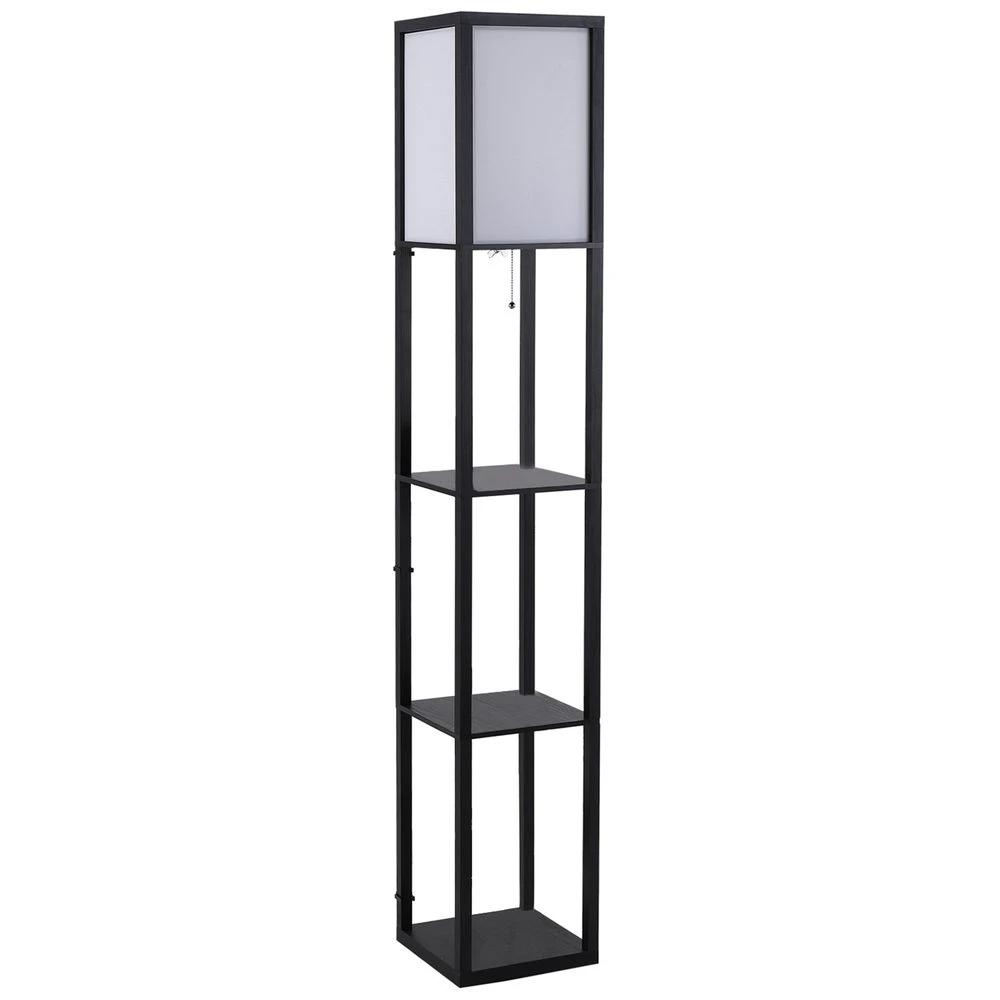
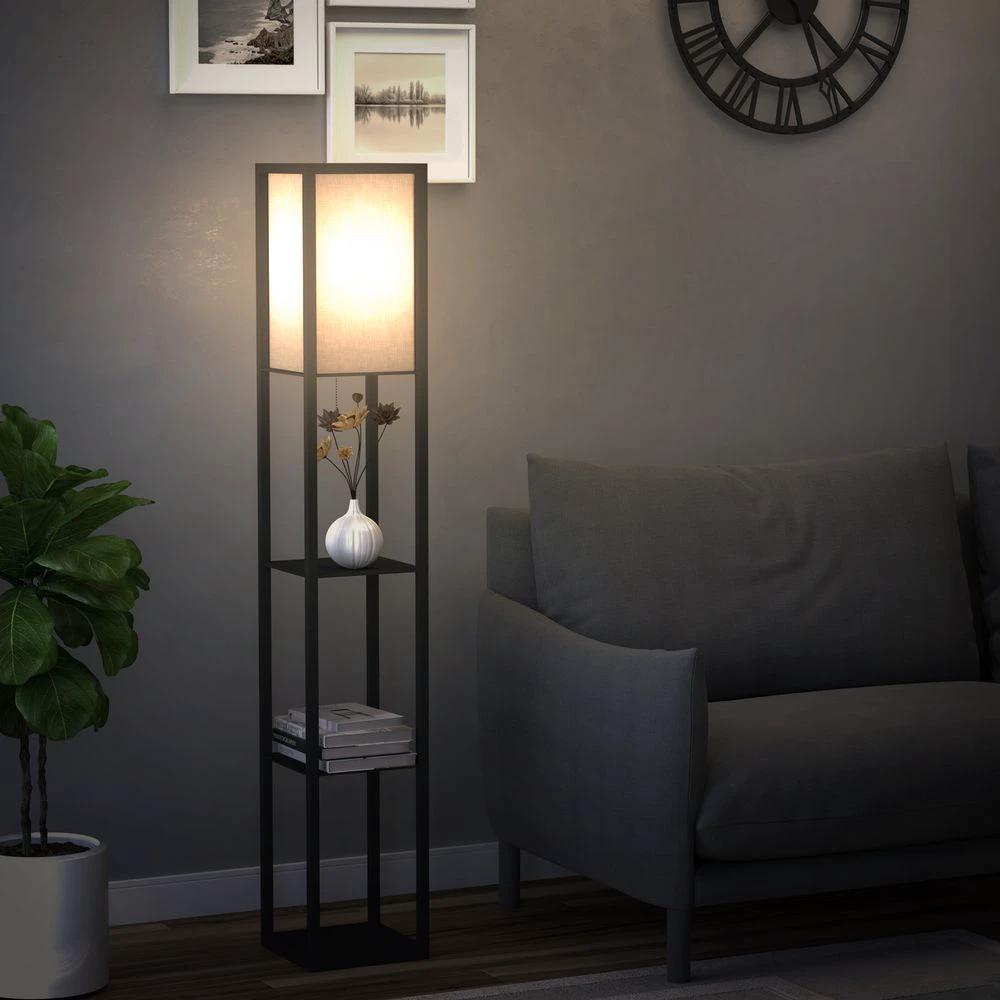
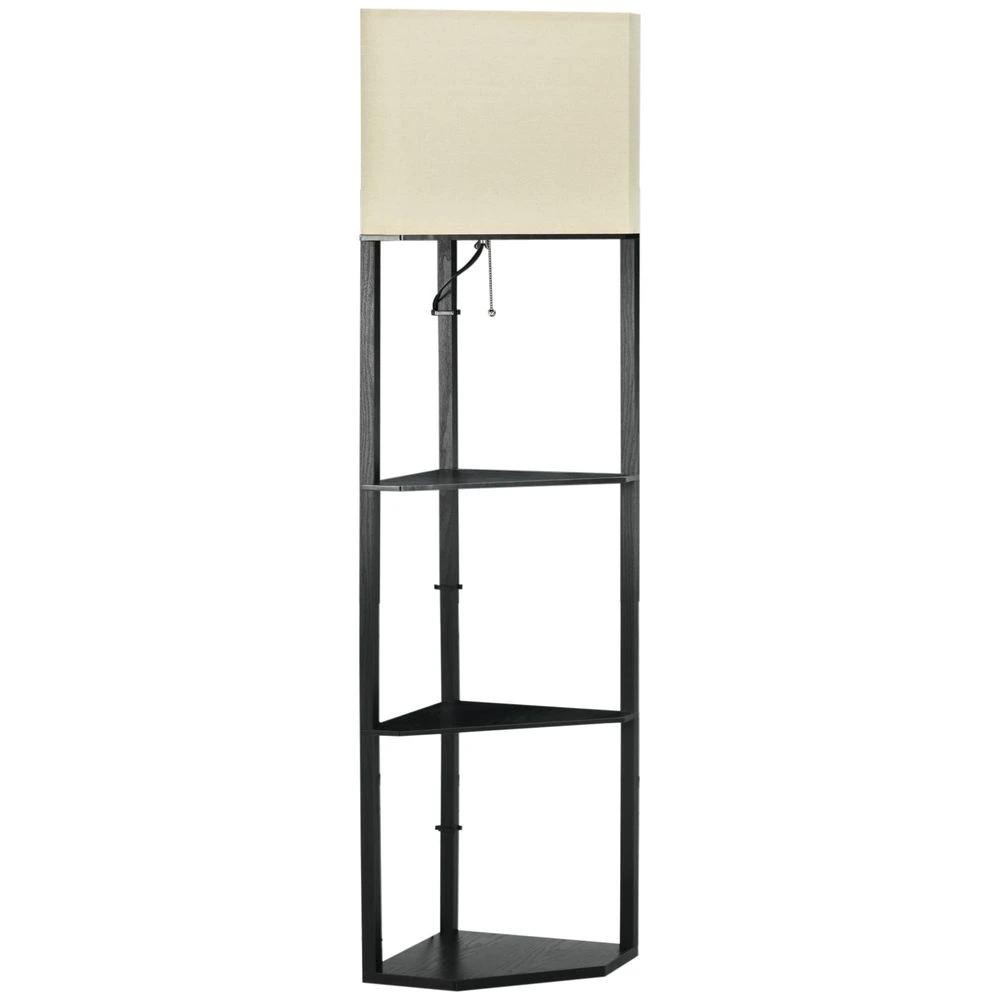
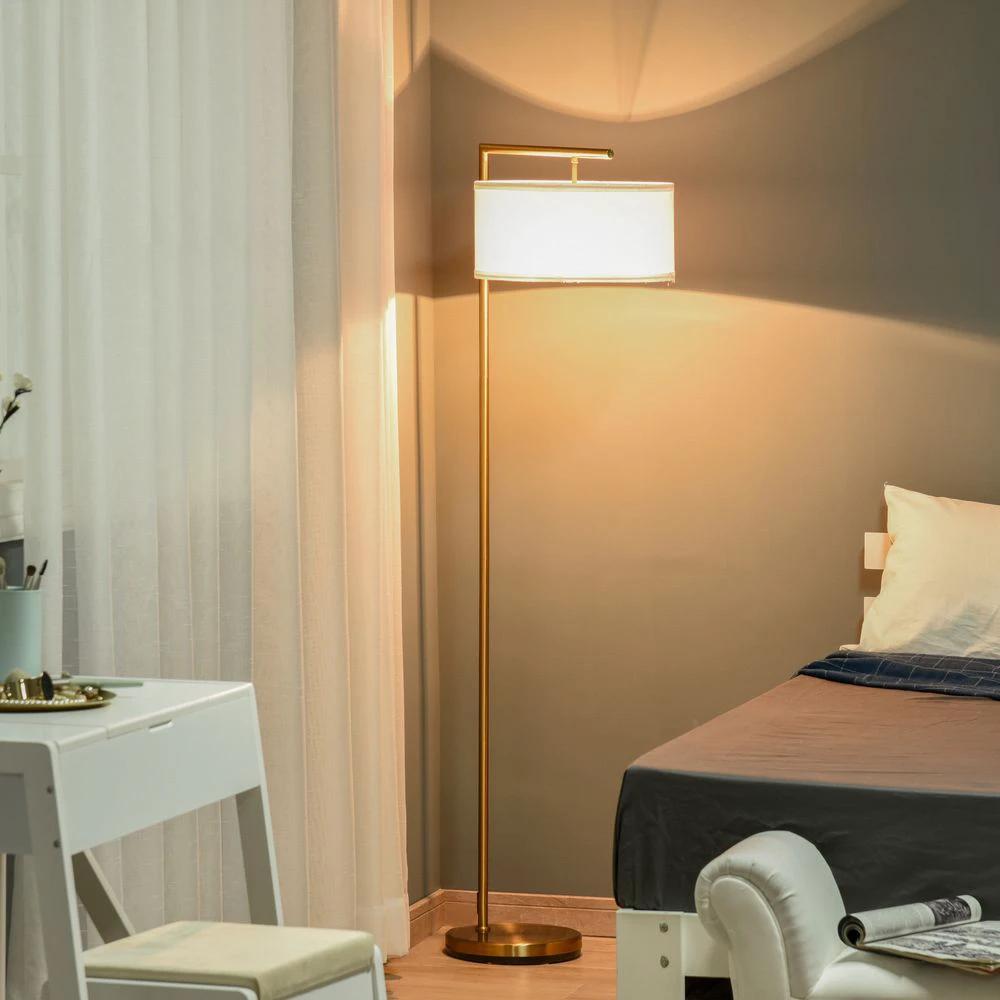
Most people don't give floor lamps much thought until they move into a flat with terrible ceiling lighting. You know the type: one sad bulb in the middle of the room that leaves half the space in shadow. That's usually when homeowners discover what a difference a good floor lamp makes. Floor lamps have quietly become the go-to lighting solution for so many UK homes, and once you understand why, it's hard to imagine living without them. They're not just about adding light. They give you control over your space in ways that fixed ceiling fittings just can't compete with. The Practical Benefits of Floor Lamps Flexible Lighting Where You Actually Need It Here's the thing about ceiling lights: they're designed to illuminate entire rooms, but they're pretty useless at lighting the specific spots where people actually spend their time. Ever tried reading under a ceiling light and found yourself squinting? That's because the light's coming from the wrong angle. A floor lamp changes everything. Pop one next to a reading chair and suddenly there's the perfect setup. Stick another in that dim corner by the bookshelf, and a problem that's probably been lingering for months gets solved. And when it's time to rearrange furniture? Just move the lamp. No electrician required. This is especially true for renters or those living in newer builds where ceiling light points are few and far between. You can't exactly start drilling holes and rewiring things, can you? Floor lamps give proper lighting control without needing permission from a landlord or spending hundreds on an electrician. Space-Saving Designs That Actually Work Table lamps are lovely, but they hog valuable surface space. You end up sacrificing half a side table just to have somewhere to put a coffee cup. Floor lamps, on the other hand, need barely any floor space (just enough for the base) while providing way better light coverage.Take tripod floor lamps, for example. Those three angled legs look great but they're also surprisingly compact. They tuck into corners without taking over the room, and because they're tall, they make use of vertical space rather than eating into already limited floor area.When living in a smaller home (and let's face it, most of us are), this kind of efficiency really counts. Brilliant lighting without cluttering up space or creating obstacle courses in the living room. Styles That Suit Different Needs LED Floor Lamps for Energy Efficiency Remember when floor lamps were these energy guzzling monsters that would send electricity bills through the roof? Those days are long gone. LED floor lamps have completely changed the game. Modern LED models use about a fraction of the power that old fashioned bulbs used to, and they last for years. We're talking 15,000 to 25,000 hours. Most people will probably move house before they need to change the bulb. Plus, the light quality is miles better than those harsh, yellowish bulbs from back in the day. What really impresses many homeowners is the smart features available now. Loads of LED floor lamps come with dimmers or colour temperature settings, so there can be bright, focused light for reading and then a switch to something warm and cosy for movie night. Some even connect to apps, which sounds a bit over the top until you realise how nice it is to adjust lighting without hauling yourself off the sofa. Floor Lamp with Shelves for Dual Purpose This is such a clever idea. Why have a lamp taking up floor space AND a side table taking up more floor space when they can be combined? Floor lamps with built in shelves are perfect for smaller rooms where every piece of furniture needs to pull its weight. They typically have three or four shelves running up the pole, with the light at the top. Perfect for books, phones while they're charging, reading glasses, or those little decorative bits that make a space feel like home. Everything needed is right there within arm's reach, and because there's a light directly above, it's easy to see what you're grabbing, even late at night. Many homeowners have found these shelf lamps work brilliantly in bedrooms, basically replacing traditional bedside tables. They free up so much space, and honestly, they work better than the cluttered mess most of us end up with. Tripod Floor Lamp for Visual Interest Tripod floor lamps have become really popular lately, and it's easy to understand why. They look deliberate and stylish without seeming like you're trying too hard. Most combine wooden legs with metal or fabric shades, which gives them this nice warmth that works in almost any room. But here's the practical bit people don't always mention: they're really stable. That three point base distributes weight properly, so they're much sturdier than those single pole designs that tip over if you so much as look at them funny. This makes them ideal for busy households or if there are pets who like to investigate everything. They work brilliantly tucked beside sofas or in reading corners, where the angled legs can nestle around furniture without getting in the way. Making the Most of Your Floor Lamp Placement That Actually Works Where a floor lamp gets positioned makes a massive difference. For reading, the shade should sit roughly at shoulder height when seated, with the bulb slightly behind and to one side. This stops glare in the eyes while making sure the light falls exactly where it's needed.In living rooms, layering lighting works brilliantly. Don't rely on just ceiling lights or just floor lamps. Use both. A couple of floor lamps combined with overhead lighting creates depth and gets rid of those harsh shadows that make rooms feel flat and unwelcoming. Try putting a lamp in a corner to bounce light up the walls. It makes the whole room feel bigger and more inviting. Choosing the Right Bulb Most floor lamps take standard E27 bulbs, which gives loads of choice. For living spaces, warm white bulbs (2700K to 3000K) work best. They create that cosy, relaxing atmosphere perfect for winding down. For work areas or reading spots, cooler white (4000K) is better because it helps with focus and reduces eye strain. LED is definitely the way to go. Yes, they cost a bit more upfront, but they use about 80% less energy than old incandescent bulbs, they don't get scorching hot, and they last ages. Most people find these bulbs pay for themselves in about 18 months just through the savings on electricity bills. Why Floor Lamps Just Make Sense Look, floor lamps aren't revolutionary. But they solve real, everyday problems. They give flexible lighting without having to call in professionals. They save space through smart vertical design. And they come in styles that suit whatever look you're going for. Whether it's a tripod floor lamp to add a bit of style, an LED floor lamp to cut energy bills, or a floor lamp with shelves because space is tight, there's something that'll work for any home.
5% off your first order
Simply enter code
5% off your first order
Free delivery
Free UK mainland delivery on all orders.
Widest choice
Huge range of products to choose from.
Trusted By
Join our growing community of happy UK customers.
Secure payment
Your payment information is processed securely.
- Choosing a selection results in a full page refresh.
- Opens in a new window.