


Cart
0
Radiators
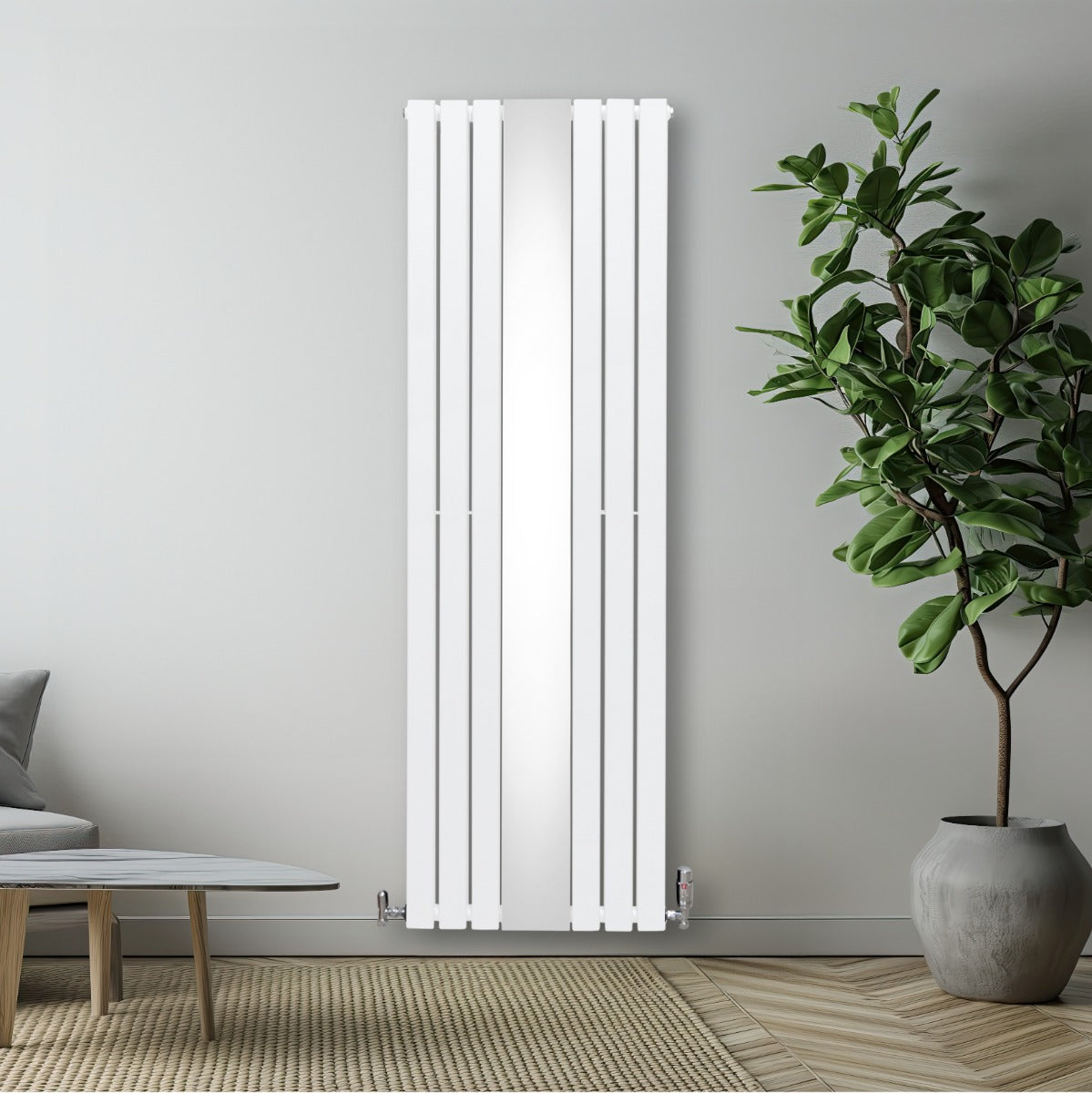
Central heating radiators come in more varieties than most people realise. Walk into any home and you'll find anything from Victorian-style column radiators to sleek flat panels that barely project from the wall. Then there's the covers, from plain MDF boxes to statement pieces that actually improve a room.
The choice matters because radiators aren't just functional. They take up wall space, they're visible in every room, and swapping them out later costs money. Getting it right first time saves hassle.
-


-


-


-


-


-


-


-


-


-


-


-


-


-


-

 N/A Premium MDF Radiator Cover With Slatted Vent Design Top Shelf And Easy Wall MountingRegular price £225.17
 -


-


-


-


-

 Monster Shop Designer Flat Panel Radiator 1800mm x 280mm Anthracite Grey For Modern InteriorsRegular price £109.99


You've viewed 64 of 241 products
Frequently Asked Questions
Find answers to common questions about Radiators
What's the difference between traditional and designer radiators?
Traditional radiators use vertical tubes (columns) and have been around since Victorian times. Designer radiators are typically flat panels with a modern aesthetic. Traditional radiators project 100-150mm from walls, whilst designer flat panels sit closer at 50-60mm. Both heat rooms effectively when properly sized.
How do I calculate what size radiator I need?
Measure room volume – length times width times height in metres. Multiply that number by 40 for approximate BTU requirement. Check radiator output in watts, then multiply by 3.41 to convert to BTUs. Add 10-15% for rooms with poor insulation or large windows.
Can I fit a radiator cover without losing heat?
Yes, if the cover has adequate ventilation. Slatted or grilled fronts allow heat circulation. Covers that sit too close to the radiator or lack sufficient gaps will reduce efficiency. Properly designed covers cause minimal heat loss – typically less than 5%.
Do towel radiators heat bathrooms properly?
Smaller towel radiators struggle to heat larger bathrooms adequately, especially when covered with towels. For family bathrooms, consider sizing up or adding a second heat source. In compact bathrooms, standard towel radiators work fine.
What finish is most practical for high-traffic areas?
White finishes in satin or gloss hide everyday marks better than matt black. Anthracite grey offers a middle ground – dark enough for visual interest but more forgiving than black. Matt finishes show fingerprints and marks more readily than gloss.
Are designer radiators more expensive to run?
No. Running costs depend on heat output and sizing, not style. A correctly sized designer radiator costs the same to run as a traditional radiator with identical heat output. Efficiency comes from proper sizing and thermostatic controls, not radiator type.
Can I replace my radiator without a plumber?
Replacing a radiator with identical pipe centres is straightforward for anyone comfortable with basic plumbing. However, if pipe positions don't match or you're changing radiator types, professional installation prevents leaks and system issues. Always turn off the heating system before attempting any work.
How often should radiators be replaced?
Quality radiators last 15-20 years with proper maintenance. Replace them when they develop leaks, show significant corrosion, or no longer heat effectively despite system maintenance. Sometimes replacement makes sense during renovation for aesthetic reasons even if the radiators still function.