


Cart
0
Oval Radiators
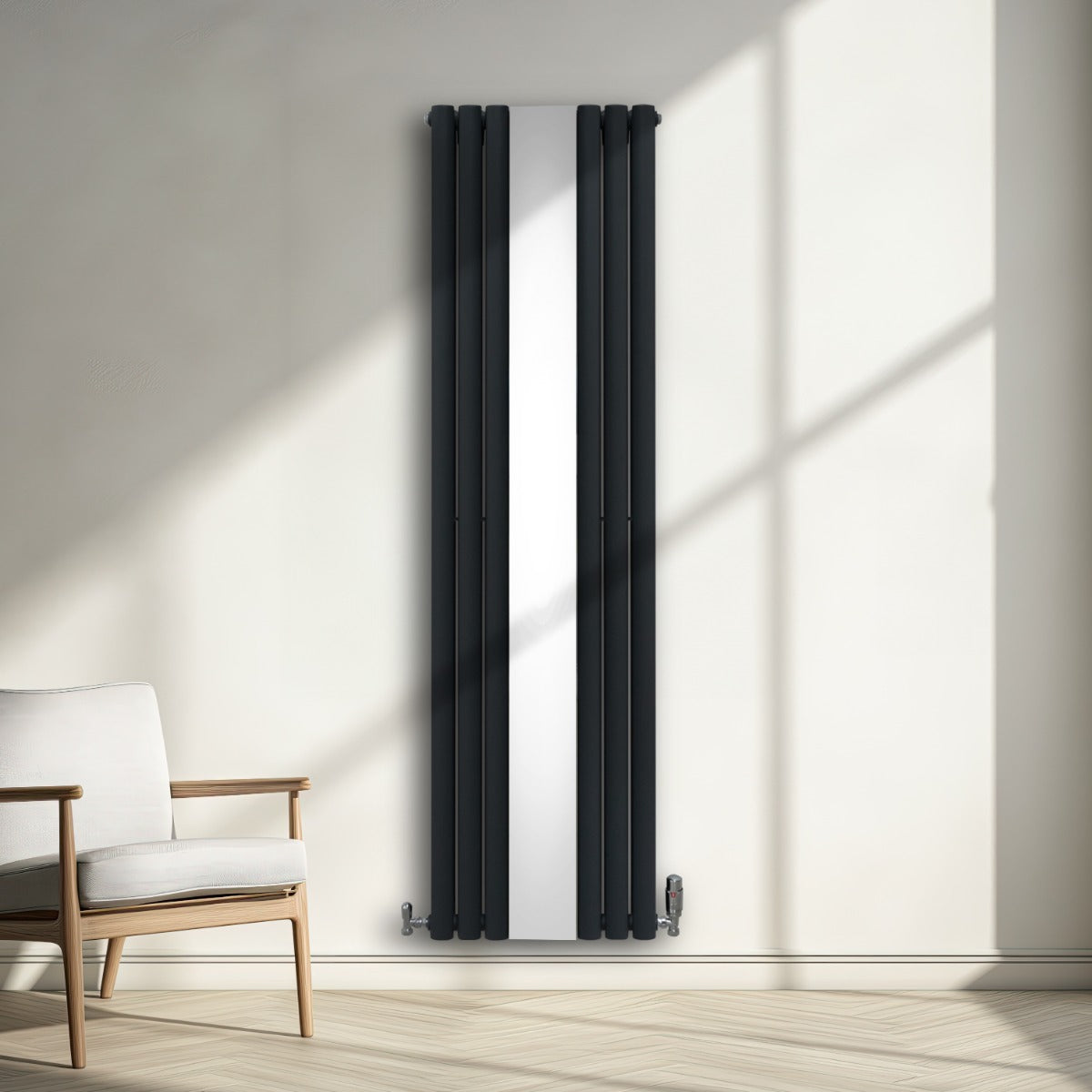
Oval radiators have become really popular over the last few years, and it's easy to see why. Instead of the boxy look of traditional radiators, you get these lovely smooth, rounded tubes that just look better on your wall. They're not trying to hide away, they actually add something to the room.
What's clever about the oval shape is how it heats your space. Those curved tubes create more surface area than you'd think, which means better heat distribution. You won't get those annoying cold spots you sometimes get with flat panels. The air flows around the curves naturally, spreading warmth more evenly throughout the room.
-

 Monster Shop Premium Oval Column Radiator 600mm By 1200 mm Anthracite Finish For Living RoomsRegular price £209.99
 -


-


-


-


-


Frequently Asked Questions
Find answers to common questions about Oval Radiators
What is an oval radiator and how does it differ from other radiator types?
An oval radiator features columns with rounded, elliptical tubes instead of the square or rectangular tubes found on traditional radiators. This distinctive shape gives them a softer, more contemporary appearance that suits modern interiors. The curved surface area helps distribute heat more efficiently around your room, creating better air circulation for more even heating without cold spots. You'll find oval radiators in both vertical and horizontal layouts. Vertical models work well for narrow walls, whilst horizontal designs suit longer walls or areas under windows. One practical advantage is cleaning. The smooth, rounded surfaces are much easier to dust and wipe down than radiators with lots of corners and angles, making them ideal for busy family homes.
Are oval radiators suitable for all types of central heating systems?
Yes, oval radiators work with all standard UK central heating systems, including combi boilers, system boilers, and conventional boilers. They connect using the same fittings as any other radiator, so installation is straightforward for any qualified plumber.These radiators operate with standard water-based central heating. You can fit thermostatic radiator valves (TRVs) to control the temperature in each room independently. If you're replacing an existing radiator, your plumber will check that the new model's BTU output matches your room's heating needs.For homes with older heating systems or lower pressure, oval radiators still work fine. The plumber might recommend checking your system pressure and bleeding the radiators after installation to ensure everything functions properly.
What finishes are available for oval radiators and how do I choose?
Oval radiators typically come in three main finishes: white, anthracite grey, and black. Each finish suits different interiors and practical needs. White oval radiators are the most popular choice. They blend into light-coloured walls and create a clean, fresh look. White works particularly well in smaller rooms as it doesn't draw attention, making the space feel larger. Anthracite grey has become very fashionable in recent years. This dark charcoal colour adds a modern, designer feel and works beautifully with contemporary grey schemes. It's more forgiving than white when it comes to showing marks or dust, making it practical for busy family areas. Black oval radiators make a bold statement and work as a feature piece. They suit industrial-style interiors, monochrome schemes, and rooms where you want the radiator to be part of the design rather than hidden. The finish is powder-coated paint that's baked onto the metal for durability, so the colour stays vibrant and resists chipping or fading. When choosing, consider your existing colour scheme and how much you want the radiator to stand out.
How do I work out what size oval radiator I need for my room?
Calculating the right radiator size involves working out your room's heating requirements in British Thermal Units (BTUs). The BTU rating tells you how much heat a radiator can produce. Start by measuring your room's dimensions in metres. Multiply the length by width by height to get cubic metres. A basic rule is you need roughly 100-150 BTUs per cubic metre for a well-insulated modern room. Older properties might need 150-200 BTUs per cubic metre. For example, a room that's 4m long, 3m wide, and 2.4m high equals 28.8 cubic metres. Multiplying by 150 gives you 4,320 BTUs needed. You'd then look for an oval radiator with a BTU output close to or slightly above this figure. Other factors affect the calculation. Rooms with external walls, large windows, or high ceilings need extra heating. North-facing rooms get less natural warmth. You might want to add 10-20% extra BTUs for these situations. The product specifications show the BTU output, usually listed as heat output in Watts (multiply Watts by 3.412 to get BTUs). If you're unsure, many retailers offer BTU calculators online, or a heating engineer can assess your rooms during installation.
Can oval radiators be used in bathrooms and wet areas?
Most oval radiators are made from carbon steel and are suitable for bathrooms provided you choose models specifically rated for high-humidity environments. The key is making sure the radiator has proper corrosion-resistant coating. Bathroom-suitable oval radiators feature enhanced powder coating that protects against moisture damage. When installing in a bathroom, your plumber will position it safely away from direct water splashes, particularly from showers or baths. The radiator should also be earthed correctly and meet current wiring regulations. Ventilation helps protect any radiator in a bathroom. An extractor fan that removes excess moisture prevents condensation building up on surfaces. After showering, leaving the extractor running or opening a window lets damp air escape and keeps your radiator in better condition.
How much do oval radiators cost and what affects the price?
Oval radiators typically range from around £95 to £290 depending on size, finish, and features. Several factors influence the price. Size is the biggest factor. Smaller oval radiators measuring 600mm x 1200mm cost less than taller models at 1800mm x 600mm because they use less material and have lower heat output. The finish affects price as well. Basic white oval radiators are usually the most affordable option. Anthracite grey and black finishes often cost slightly more because they require additional coating processes. Special features add to the cost. Oval radiators with integrated mirrors cost more than standard column designs because of the additional mirror panel. The thickness of the steel matters too. Radiators made from 1.5mm carbon steel are more durable and typically cost extra, but hold heat better and last longer. Installation costs are separate and usually run £50-£150 per radiator depending on your location and whether you're replacing an existing radiator or installing a new one that needs new pipework.
How do I maintain my oval radiator to keep it working efficiently?
Regular maintenance keeps your oval radiator heating effectively and looking good for years. The smooth, rounded design makes upkeep easier than more complex radiator styles. For day-to-day cleaning, dust the radiator weekly with a microfibre cloth or vacuum cleaner with a soft brush attachment. For stubborn dirt, wipe with a damp cloth and mild washing-up liquid, then dry thoroughly to prevent water marks. Bleeding your radiators once or twice a year keeps them working efficiently. Air can get trapped inside, creating cold spots at the top. Turn off your heating and let the radiator cool. Place a cloth under the bleed valve at the top corner, insert a radiator key, and turn anti-clockwise slightly. When water starts dripping out, close the valve quickly. Check your boiler pressure after bleeding radiators. If it's dropped below 1 bar, you'll need to top up the system using the filling loop on your boiler. Every few years, consider having your heating system power-flushed by a professional to remove sludge and debris that builds up over time.
Can I install an oval radiator myself or do I need a professional?
Whilst it's technically possible to install an oval radiator yourself if you're experienced with plumbing, it's strongly recommended to use a Gas Safe registered plumber or qualified heating engineer. Central heating work involves pressurised water systems and incorrect installation can cause serious damage. If you're simply swapping one radiator for another of the same size and you're confident with basic plumbing, you could manage the physical work. You'd need to turn off your heating, drain the old radiator, disconnect it carefully, attach the new radiator brackets, hang the new radiator, and reconnect the valves. However, this requires knowledge of how to properly drain and refill the system and check for leaks. For new radiator installations where pipework needs extending or moving, you definitely need a professional. Professional installation typically costs £50-£100 per radiator for a straightforward swap, or £150-£300 if new pipework is needed. Using a qualified installer means the work is guaranteed. If anything goes wrong due to poor installation, their insurance covers the damage. DIY installation that causes problems could invalidate your home insurance. Many boiler warranties also require that any heating system work is carried out by qualified professionals.