Cart
0
Buying a sofa is one of those purchases that feels deceptively straightforward until you're standing in a showroom or scrolling through endless options online, wondering where on earth to start. It's not just a piece of furniture, after all. It's where you'll collapse after work, host friends on a Friday night, and possibly spend more time than you'd care to admit binge-watching telly. So getting it right matters.
After helping countless customers find their perfect match, I've noticed the same questions and concerns crop up again and again. Here are the five genuinely important considerations that'll save you from buyer's remorse and help you land on something you'll actually love living with.
1. Measure Everything (Yes, Everything)
I know this sounds obvious, but you'd be surprised how many people eyeball their living room and think "that'll probably fit." Spoiler: it probably won't, or worse, it'll fit but leave you shuffling sideways past the coffee table for the next decade.
Before you fall in love with any sofa, grab a tape measure and get serious about your space. Measure the width of the room, obviously, but also check doorways, hallways, and any tight corners the sofa will need to navigate during delivery. A gorgeous three-seater isn't much use if it's permanently stuck in your entrance hall.
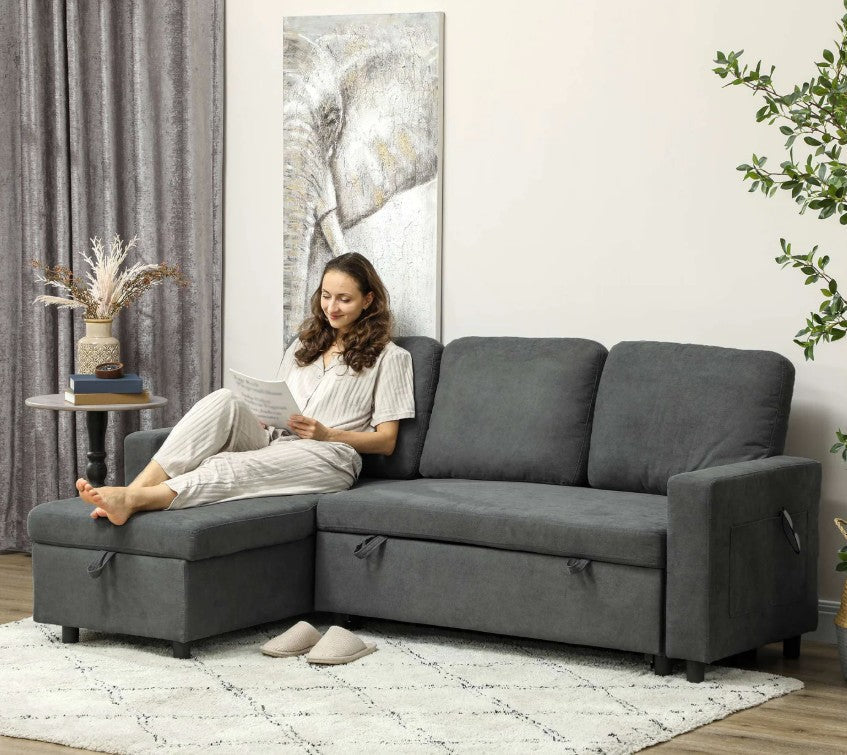
Think about the sofa's depth too. Deeper sofas those lovely sink-in-and-disappear types can make a smaller room feel cramped. If you're working with a compact flat or a narrow living room, a two-seater around 150-160cm might give you breathing room whilst still providing proper seating. For larger spaces, you can stretch to 180-220cm for a three-seater or even consider an L-shaped configuration if you've got the square meterage and fancy something a bit more social.
2. Fabric and Upholstery Are About More Than Just Looks
Here's where lifestyle really comes into play. Velvet looks absolutely stunning and feels luxurious, but if you've got a toddler who treats every surface as a potential canvas or a dog who sheds enough fur to knit a jumper, you might want to think twice.
Leather and faux leather are brilliant for busy households because they wipe clean in seconds. Got a red wine spill? No drama just grab a cloth. The trade-off is they can feel cold in winter and a bit sticky in summer, though decent quality leather does improve with age.
Linen-look fabrics strike a nice balance they're durable enough for everyday wear but still feel soft and inviting. Synthetic materials have come on leaps and bounds in recent years too. They're often hardwearing and resist stains better than natural fibres, making them worth considering if practicality trumps everything else.
If you're absolutely set on something delicate, at least check whether the cushion covers are removable and machine washable. Your future self will thank you.
3. Purpose Matters A Lot
Right, this is where you need to be honest with yourself. What's this sofa actually for?
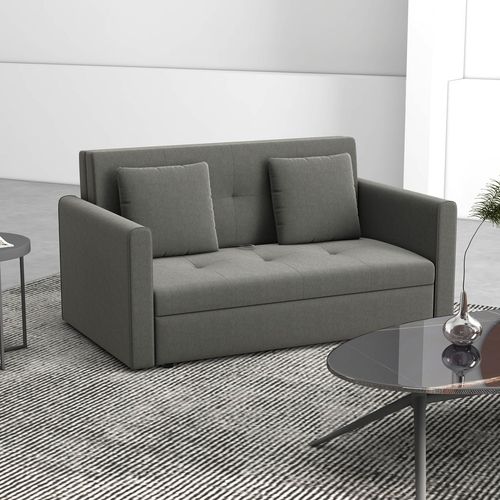
If you live alone or with a partner and it's mainly going to be the two of you watching Netflix, a loveseat or two-seater might be all you need. Compact, cosy, and perfect for smaller spaces they do the job without dominating the room.
Got kids? Host regular gatherings? You'll want a three-seater at minimum, possibly something modular you can rearrange depending on who's round. Modular sofas are genuinely underrated for their flexibility. You can separate sections, add units as your needs change, or create different configurations when you inevitably rearrange the furniture at 11pm on a Sunday.
And if space is at an absolute premium think studio flat or tiny spare room a sofa bed is worth its weight in gold. Modern ones are light-years ahead of the medieval torture devices your aunt had in the '90s. Many convert in seconds without needing a degree in engineering, and some even come with storage underneath for bedding or general clutter. Just check the dimensions when it's extended so you know exactly how much floor space you're committing.
4. Construction Quality (The Boring But Crucial Bit)
I'll keep this brief because nobody enjoys reading about frames and springs, but cutting corners here is a false economy.
Look for sofas with solid hardwood or metal frames. These last. Cheap composite board or flimsy materials might save you fifty quid upfront, but they'll wobble and creak within a year. If you can, check reviews mentioning durability real customer feedback is worth ten marketing brochures.
Pay attention to how cushions are filled too. High-density foam keeps its shape far longer than cheaper alternatives. Some sofas combine foam with fibre for that plump, sink-in feel that still provides support. Sprung cushions are traditional and comfortable, though they can lose bounce over time if not well made.
Finally, check the legs. Are they sturdy? Can they be easily attached? Most sofas arrive with detachable legs for easier delivery, which is fine, but make sure the fittings look solid rather than flimsy plastic clips that'll snap if you sneeze.
5. Style Should Work With Your Space, Not Against It
This is where things get subjective, but there are some practical truths worth mentioning.
Darker colours and bold patterns make a statement, but they can also shrink a room visually. If your living area is already on the smaller side or lacks natural light, lighter tones greys, creams, soft blues can help keep things feeling open and airy. That said, if you've got a massive open-plan space that feels a bit clinical, a rich navy velvet or deep charcoal can anchor the room beautifully.
Consider your existing furniture too. You don't need everything to match (in fact, please don't it looks like a showroom), but there should be some visual harmony. If your coffee table and shelving are warm wood tones, a sofa with wooden legs in a similar finish will tie things together. Alternatively, metal-legged sofas suit industrial or contemporary spaces brilliantly.
And think about longevity. Trends come and go, but a well-chosen classic design in a versatile colour will still look good in five years when that trendy mustard yellow might feel a bit... tired.
Final Thoughts
Buying a sofa doesn't need to be stressful, but it does require a bit of thought beyond "that looks nice." Measure your space properly, be realistic about how you will use it, choose materials that suit your actual life (not your aspirational one), check the build quality, and pick something that works with your home's overall look and feel.
Take your time, read reviews, and if you can, sit on a few in person or at least look at detailed dimensions and customer photos. A good sofa is an investment in your daily comfort, and getting it right means years of happy lounging ahead.