If you spend most of your day sitting at a desk, you've probably felt the effects. Stiff shoulders, a tight lower back, that dull ache between your shoulder blades that kicks in around three o'clock. It's no surprise, then, that massage office chairs have become more popular over the last few years. The idea of getting a gentle massage while you work sounds appealing, but are they actually worth it? And how do you know which one to go for?
Here's a straightforward look at what massage office chairs offer, what to pay attention to when you're shopping, and a few honest things to consider before you spend your money.
What Actually Makes a Massage Office Chair Different?
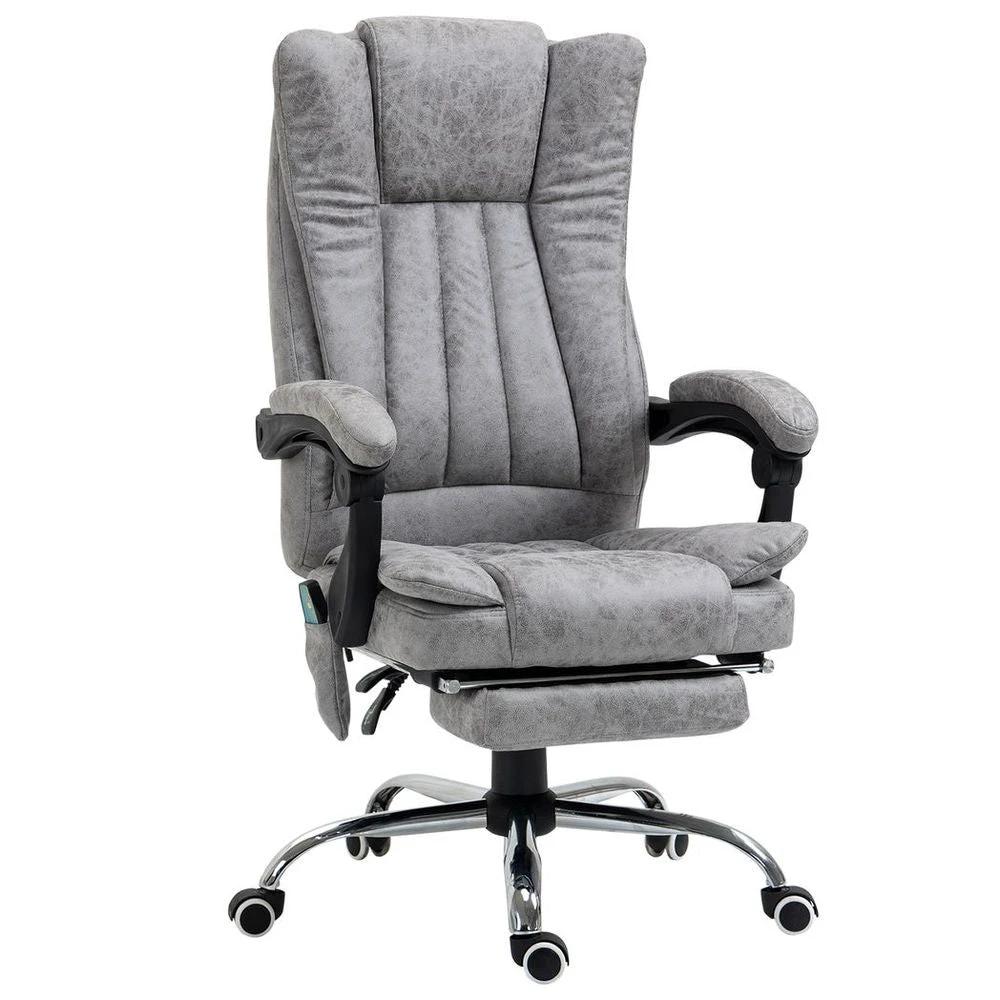
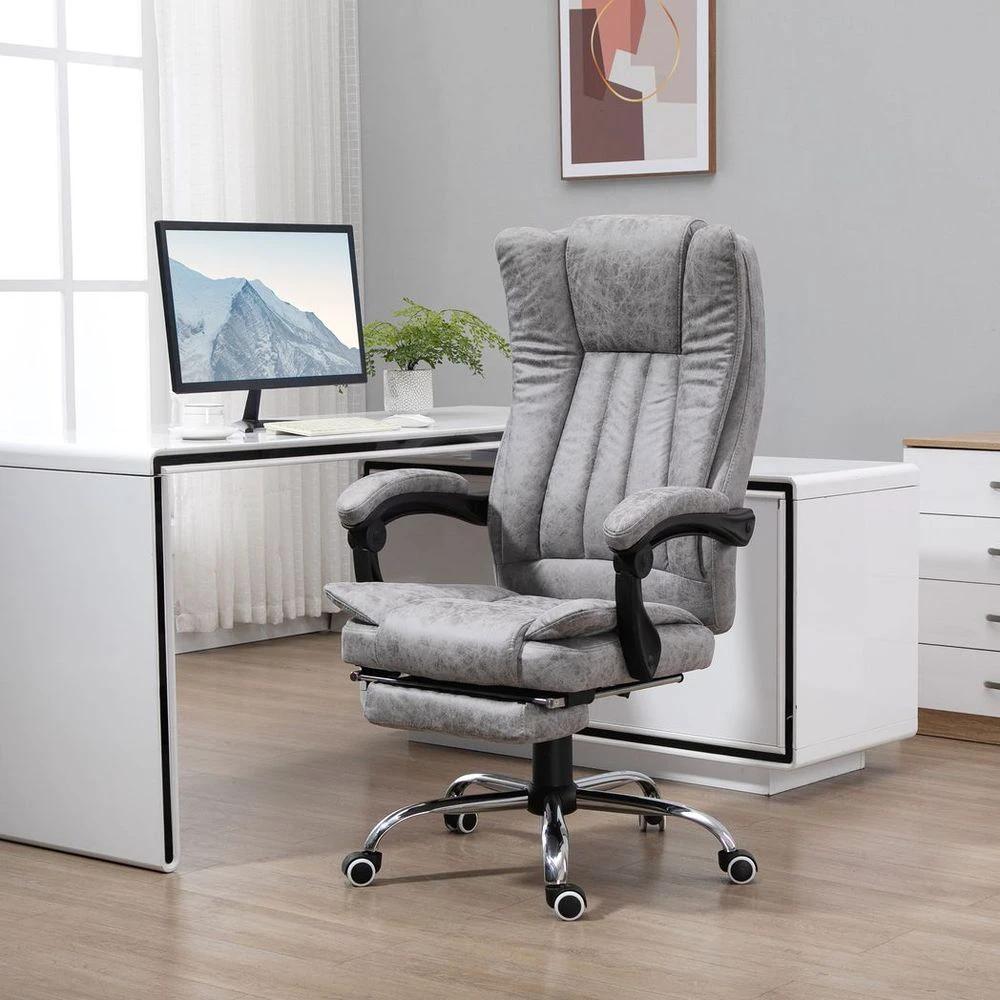
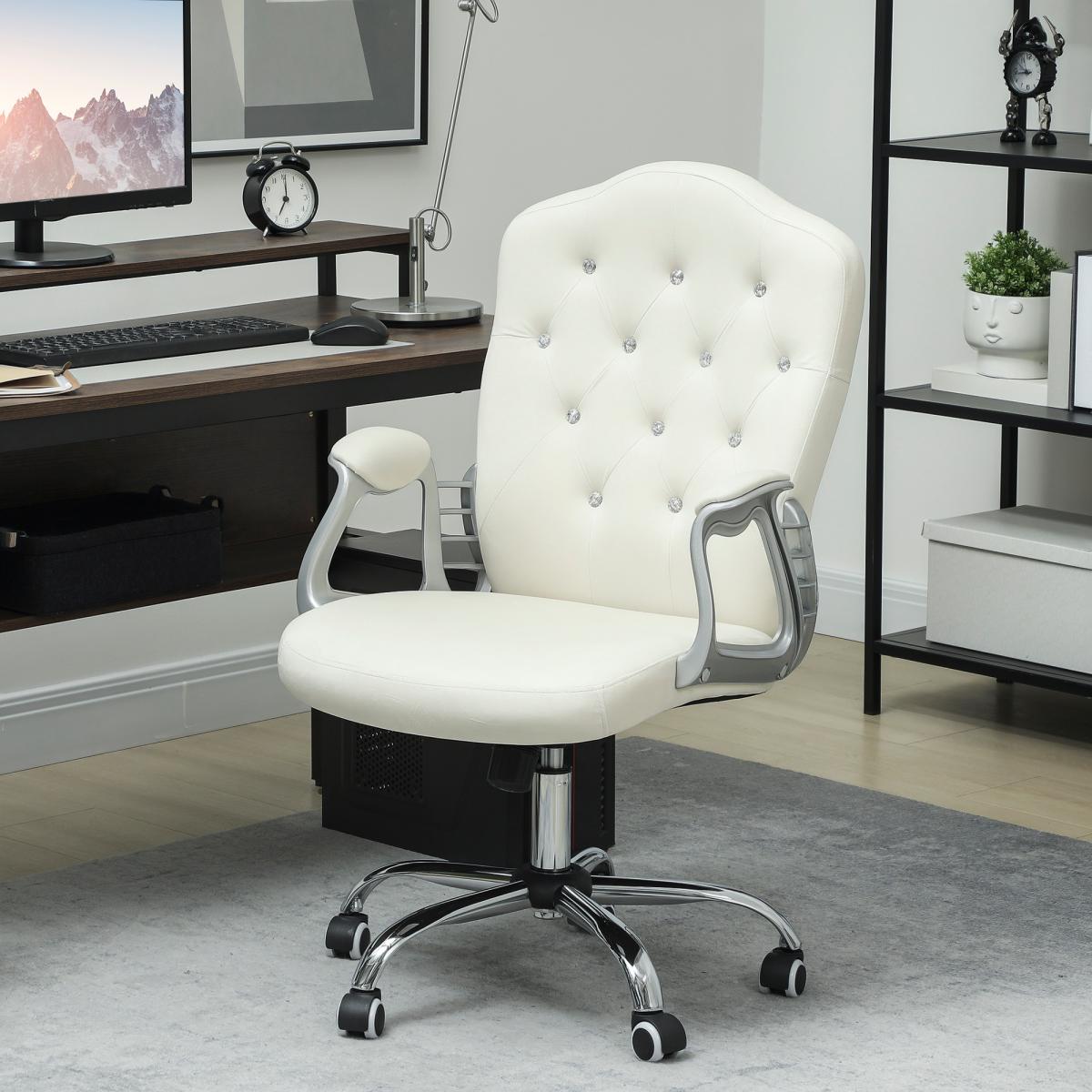
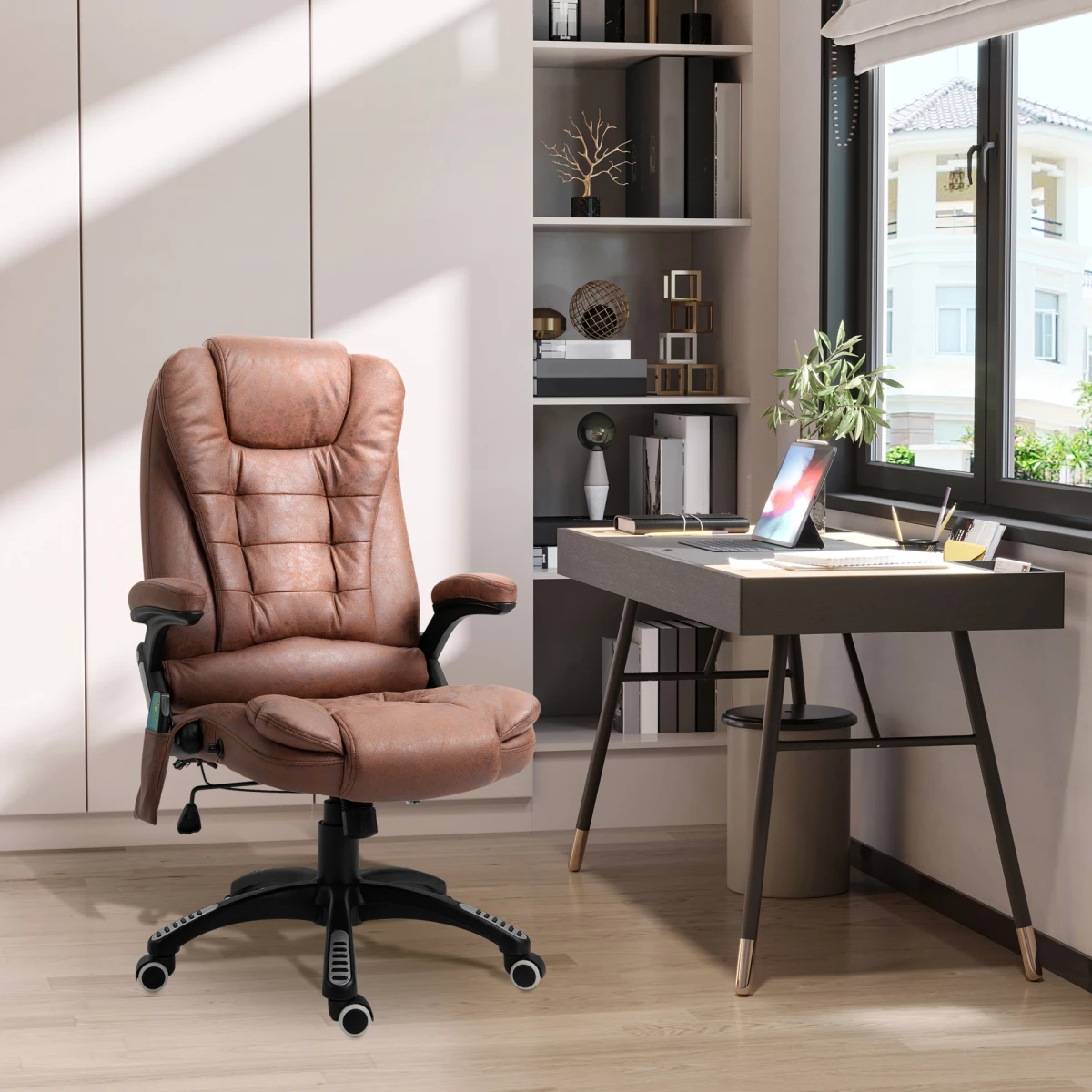
At its core, a massage office chair is still an office chair. It's got the same basic structure: a swivel base, adjustable height, armrests and a backrest. The difference is that it has built-in massage nodes or vibration motors, usually positioned in the lumbar area, the upper back or both. Some models also include massage points in the seat itself.
Most chairs at the affordable end of the market use vibration-based massage rather than the rolling or kneading mechanisms you'd find in a dedicated massage chair. That's worth knowing upfront, because the sensation is quite different. Vibration massage is more of a gentle buzz that helps loosen tension over time, rather than the deep tissue pressure you might get from a proper massage therapist. It's not going to replace a trip to the physio, but for day-to-day relief while you're working, it can make a genuine difference to how your back feels at the end of the day.
Think About Ergonomics First, Massage Second
This is probably the most important point in the whole article. A massage function is a nice extra, but it shouldn't come at the cost of proper ergonomic support. If the chair isn't comfortable to sit in for hours without the massage turned on, then the massage feature is just papering over a bigger problem.
Before you get distracted by massage settings and vibration speeds, check the basics. Does the chair have good lumbar support? Can you adjust the seat height to suit your desk? Is the backrest high enough to support your upper back and shoulders? Do the armrests sit at a height where your forearms can rest naturally? These are the things that'll actually prevent back pain in the long run. The massage is the bonus on top.
Browse our massage office chairs to see what's available.
Understand the Different Massage Types
Not all massage office chairs work in the same way, and knowing the difference will help you pick one that suits what you're after.
Vibration massage is the most common type in office chairs. Small motors in the backrest vibrate at different speeds, and you can usually switch between a few intensity levels. It's subtle enough that you can use it while you're on a video call or writing an email without it being distracting. Some chairs let you target specific zones, so you could have the lumbar area running while the upper back stays still, or the other way round.
Shiatsu-style massage uses rotating nodes that move up and down the backrest, mimicking the pressure of thumbs working along your spine. These tend to be more intense and more noticeable, so they're better suited to breaks rather than continuous use while you're trying to concentrate. Chairs with shiatsu mechanisms are usually a step up in price, but if you're someone who carries a lot of tension in your back, the difference in relief can be significant.
Heat is another feature worth looking out for. Some massage office chairs include a heated lumbar zone, which works alongside the massage to help relax tight muscles. If you tend to feel the cold or if your home office doesn't stay particularly warm, the heat function alone can justify the upgrade.
Consider How You'll Actually Use It
It's easy to get carried away with features, but take a moment to think about your daily routine. If you're someone who sits for long, unbroken stretches, a chair with a gentle vibration mode that you can leave running in the background might be exactly what you need. It keeps the blood flowing and stops your muscles from seizing up without pulling your attention away from work.
On the other hand, if you tend to take regular breaks and move around a lot, you might get more value from a chair with a more focused massage that you use for five or ten minutes between tasks. It becomes part of your break routine rather than a constant background feature.
There's also the noise question. Most vibration motors are fairly quiet, but they're not silent. If you work in a shared space or take a lot of phone calls, it's worth checking whether the massage function produces any noticeable hum. The last thing you want is to be on a client call with a low buzzing sound coming from your chair.
Don't Overlook the Standard Office Chair Features
Because the massage function tends to dominate the product description, it's easy to forget about the things that make any office chair good or bad regardless of whether it vibrates. Here's a quick checklist of what to look for alongside the massage features.
Seat height adjustment is non-negotiable. Your feet should sit flat on the floor with your thighs roughly parallel to it. Tilt and recline controls let you shift your position throughout the day, which is important because staying locked in one posture for hours is bad for your back no matter how good the chair is. A breathable material on the seat and backrest makes a real difference if you're sitting for eight hours, because leatherette and PU leather can get warm and sticky in summer.
Weight capacity is another practical detail that often gets overlooked. Make sure the chair is rated for your weight with some margin to spare, because a chair that's working at its limit won't last as long and won't feel as stable.
Who Benefits Most From a Massage Office Chair?
These chairs make the most sense for people who spend long hours at a desk and who tend to carry tension in their back and shoulders. If you work from home full time and your commute is now a walk from the bedroom to the spare room, you're probably sitting for more hours in a row than you did when you worked in an office. A massage office chair can help offset some of that.
They're also a good option if you've got minor back discomfort that doesn't quite warrant seeing a specialist but does affect how you feel by the end of the working day. The gentle massage keeps muscles from getting too tight, and the heat function, if the chair has one, can ease stiffness in a way that a standard office chair simply can't.
That said, if you've got a specific back condition or ongoing pain, it's always worth checking with a healthcare professional before relying on a chair to fix things. A massage office chair is a comfort aid, not a medical device.
What to Expect at Different Price Points
At the lower end, you'll find chairs with basic vibration massage in two or three zones, simple on/off controls and a standard office chair frame. These are perfectly fine for occasional use and for people who just want a bit of extra comfort without spending a fortune.
Mid-range chairs tend to add more granular controls, multiple massage modes, heat functions and better overall build quality in the chair itself. The ergonomic support is usually a step up too, with adjustable lumbar support, higher backrests and better padding.
At the higher end, you'll find shiatsu-style mechanisms, memory foam seats, fully adjustable everything and sometimes even remote controls or app connectivity. Whether that level of investment makes sense depends entirely on how many hours you spend in the chair and how much value you place on comfort during your working day.
Picking the Right Massage Office Chair for You
Start with your budget and your must-haves. If ergonomic support is your priority and the massage is just a welcome extra, focus on the chair's adjustability and build quality first. If you specifically want targeted relief for your lower back, look for chairs that let you isolate the lumbar massage zone and ideally add heat to it.
Size matters too. Measure the space under your desk and check the chair's dimensions before ordering. Some massage office chairs are bulkier than standard models because of the motors built into the backrest, so they might not tuck under a shallow desk as neatly as you'd expect.
Explore our full range of massage office chairs to find one that fits your setup. And if you're still weighing up whether massage is the right call, our wider office chairs collection has plenty of ergonomic options too. Free UK mainland delivery comes as standard on every order.